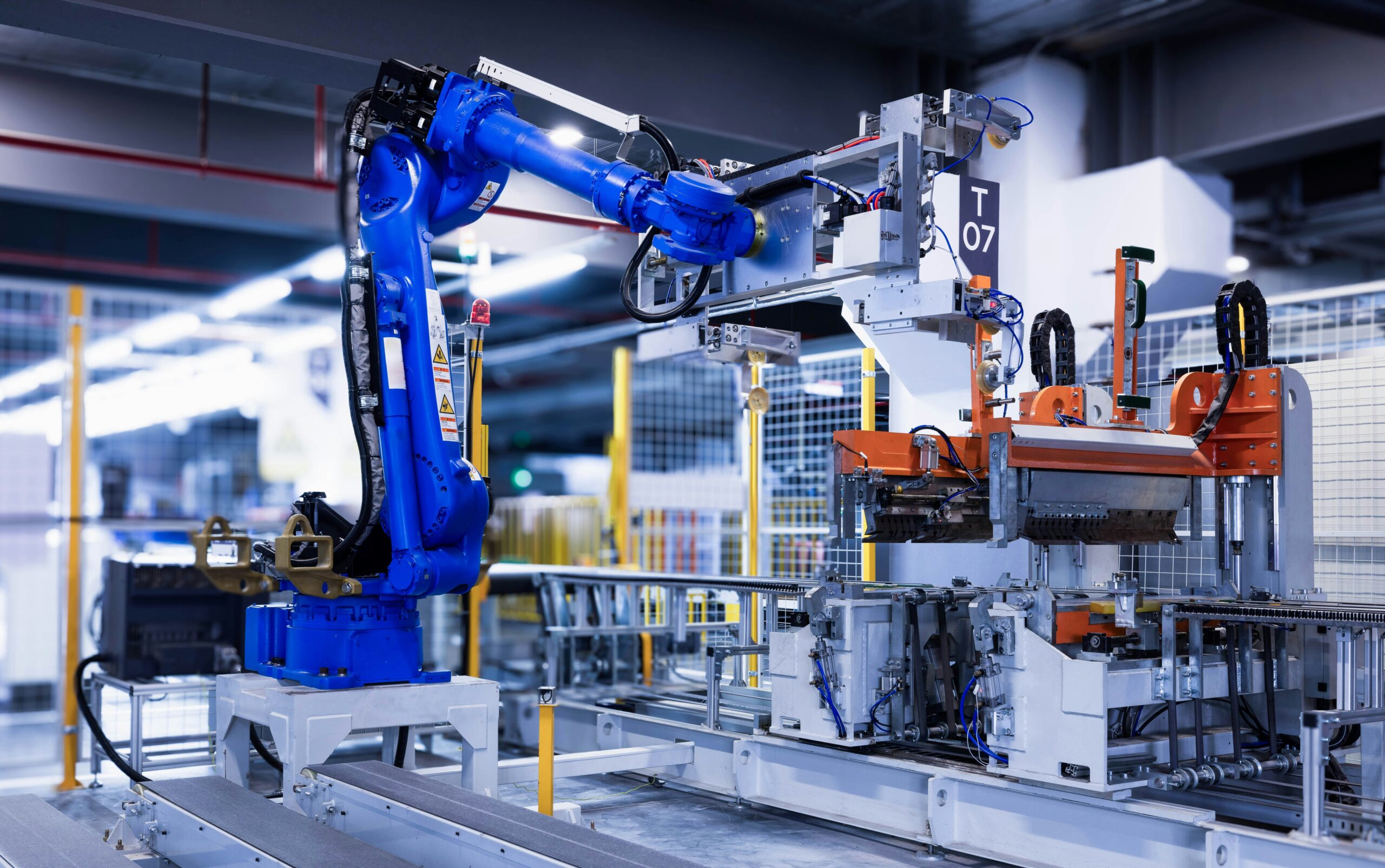
Automation isn’t replacing workers; it’s replacing distance. Cobots, AGVs, and smart fixturing allow U.S. lines to hit world-class throughput with smaller teams—and those teams are higher-skilled, higher-paid, and stickier.
Modern cells are modular. A robot, a vision camera, and a torque sensor can be redeployed between SKUs by swapping end-effectors and reloading digital recipes. That flexibility converts product volatility into manageable changeovers.
Quality is increasingly in-line and in-code. Automated inspection, SPC dashboards, and machine learning detect drift before defects leave the cell. Instead of sorting bad parts, teams prevent them. Scrap falls, rework shrinks, margins rise.
Automation also compresses training curves. Digital work instructions, AR overlays, and one-touch parameter sets let new hires contribute faster. Supervisors shift from “tribal knowledge guardians” to “process coaches.”
Data is the fourth utility. MES and IIoT platforms bring OEE, cycle times, and downtime codes into daily standups. When production is software-visible, continuous improvement becomes daily work, not quarterly ritual.
The maintenance model flips from reactive to predictive. Condition monitoring and digital twins forecast failures, schedule changeouts during planned downtime, and safeguard uptime. The spare-parts strategy becomes informed, not hopeful.
Safety improves with automation done right. Cobots reduce ergonomic strain; AMRs cut forklift risk; e-stops and light curtains are smarter and less intrusive. Safer plants recruit better and retain longer.
The economics speak for themselves: higher yield, lower variability, and faster changeovers together beat wage differentials. Automation is the equalizer that makes U.S. unit economics competitive—and often superior—on a total-cost basis.