Furniture rewards proximity because bulk hates distance. Freight savings alone don’t make a strategy, but combined with shorter lead times, easier returns, and customization, they tilt the economics decisively toward U.S. production.
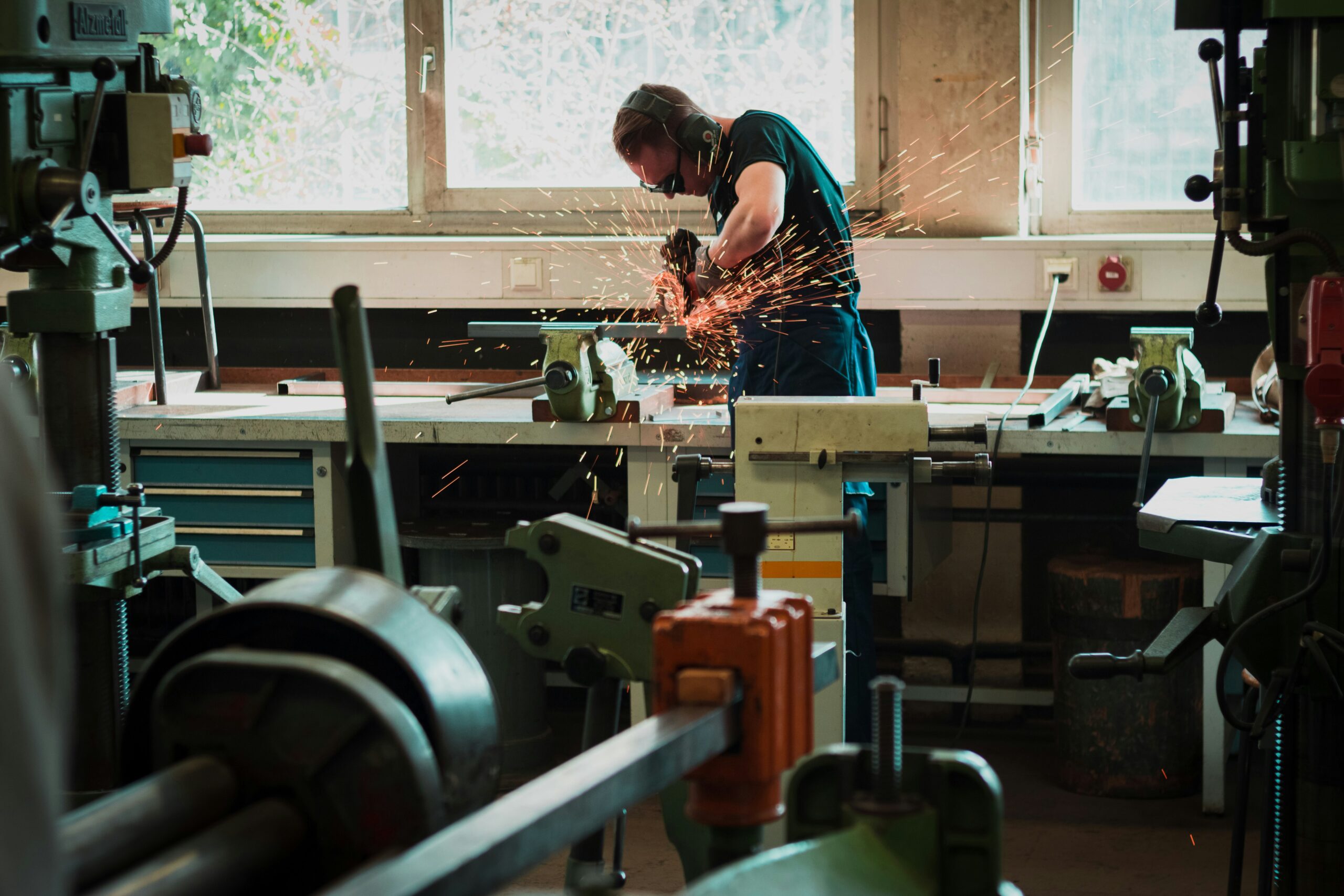
Modern woodworking cells blend CNC machining, nesting optimization, and quick-change fixturing. That allows small batches without penalty and smoother transitions across product families. Waste falls; throughput rises.
Finishing quality improves with control. VOC management, cure times, and color consistency are easier to govern in-house. When a finish drifts, the root cause is found where it happened—not after a long ocean voyage.
Materials sourcing can be local and certified. Domestic hardwoods and engineered panels shorten timelines and strengthen sustainability claims. Customers can literally see the story in the grain.
E-commerce meets local manufacturing well. “Ships in 10 days from Ohio” beats “Backordered 8–10 weeks” every time, and it slashes damage rates by reducing touches. White-glove returns become feasible.
Contract and hospitality markets value reliability. Designers and builders need on-time, on-spec deliveries. Reshored production backs those promises with control over critical paths.
Design collaboration speeds up. Prototypes move from CAD to sample to first article within a week, enabling faster spec decisions and fewer change orders. Project risk drops along with time.
The new American workshop is digital, dust-conscious, and demand-driven—handcraft where it matters, precision automation where it counts.