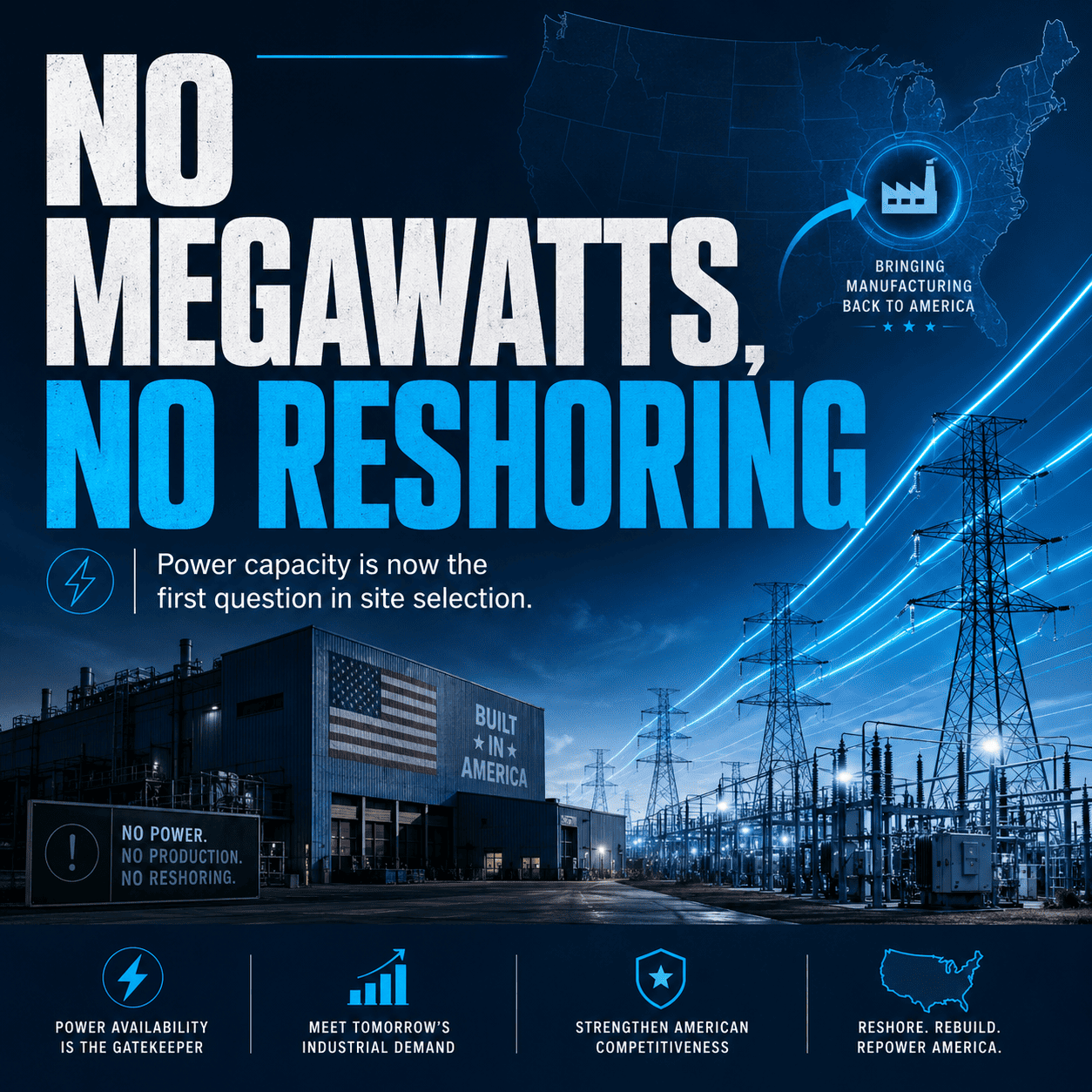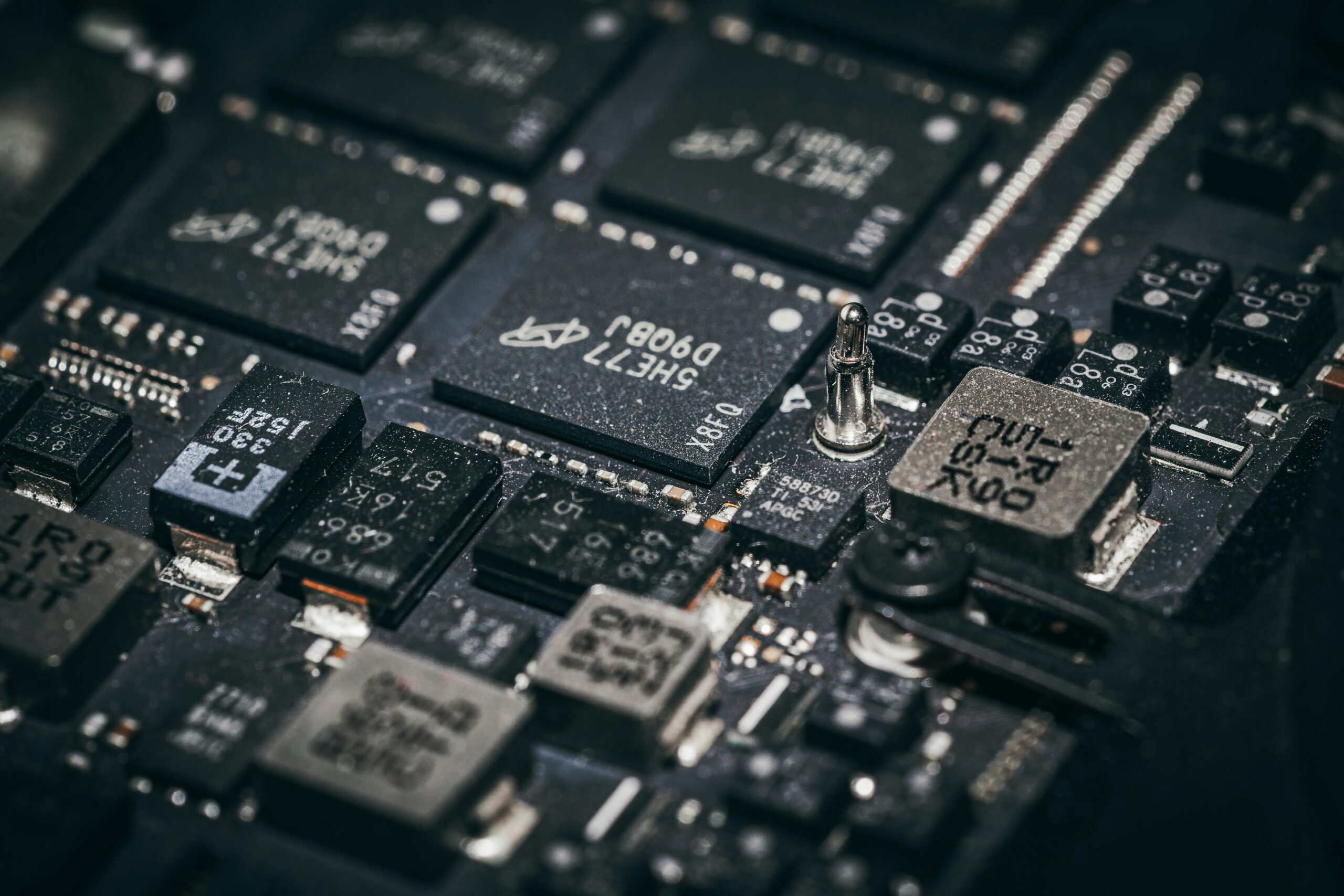
Chips are the new steel—foundational to every industry. Reshoring goes beyond fabs to include epi, photomasks, specialty gases, tools, and advanced packaging, all coordinated within domestic clusters.
Leading-edge isn’t the only game. Mature nodes power autos, medical, industrial, and defense electronics. Building reliable 28–90nm capacity at home eliminates many of the shortages that halt production lines.
Packaging is the chokepoint. OSAT and substrate capabilities placed near design, board assembly, and test collapse turnarounds and strengthen IP protection. Advanced SIP and 2.5D/3D stacks become practical when the team is next door.
Tooling ecosystems matter. Metrology, litho, deposition, and etch suppliers co-located with fabs accelerate maintenance, upgrades, and yield climbs. Every hour shaved from MTTR shows up in wafer starts.
Talent is a constraint you can design around. Partnerships with universities, paid apprenticeships, and on-the-job upskilling create a pipeline of operators and maintenance pros. Retention follows when the work is modern and mission-critical.
Supply chain hygiene improves. Domestic specialty gases, photoresists, and ultrapure chemicals reduce risk concentration. Shorter feedback cycles catch drift in purity before it becomes a yield event.
Security becomes governable. Keeping masks, firmware, and process recipes within U.S. jurisdiction simplifies compliance and hardens critical systems against tampering.
Black Book Insights advisory sessions see a consistent message from device makers: a resilient chip stack is less about a single mega-project and more about dense, interoperable capability across the whole value chain.