Electronics has always been a game of time—time to debug, time to qualify, time to ship. Reshoring compresses each of those clocks at once. When design, fabrication, assembly, and test sit within a day’s drive, signal loss between teams disappears and the defect-to-correction loop shrinks from weeks to hours.
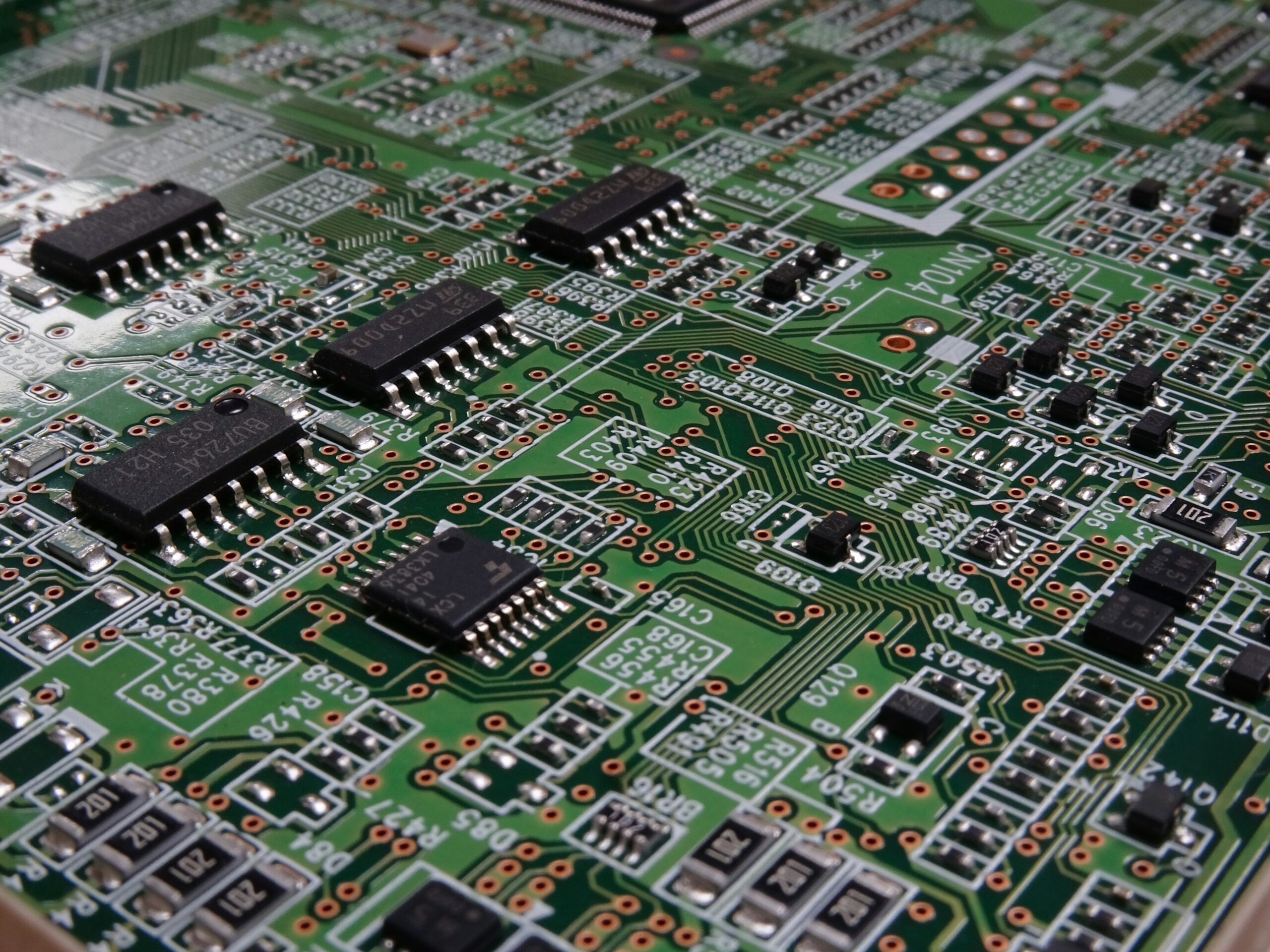
Printed circuit boards are the nervous system of modern products, and they’re notoriously sensitive to variability. Domestic PCB shops coordinated with U.S. EMS providers enable tighter stack-up control, faster lamination trials, and quicker alternates when materials are constrained. That proximity turns “line down” into “line delayed.”
For semiconductors, it’s not just wafer fabs—it’s OSAT, substrate capacity, and advanced packaging. Concentrating those steps stateside reduces transits that add risk and latency to high-value inventory. Packaging closer to final assembly also simplifies traceability and RMA triage.
Component sourcing is getting smarter with local buffers. Vendor-managed inventory hubs near EMS facilities let planners pivot during demand spikes without resorting to scavenging or gray-market buys. Quality rises because provenance is visible.
DFM/DFA becomes a daily habit. Engineers and operators sit together to shave seconds off placements, optimize fiducials, or adjust solder profiles after a single build. Those micro-optimizations compound across thousands of boards.
Compliance is easier when the chain is shorter. UL, FCC, and sector-specific tests integrate into the development cadence rather than gating it. Audit findings become same-week corrective actions instead of quarter-long projects.
Security matters in electronics. Keeping firmware builds, encryption keys, and secure elements under one jurisdiction closes attack surfaces created by long, opaque chains. IP risk falls along with cycle time.
The net: reshoring rewires electronics for speed, quality, and security. The companies that master local loops will set the cadence for their categories.