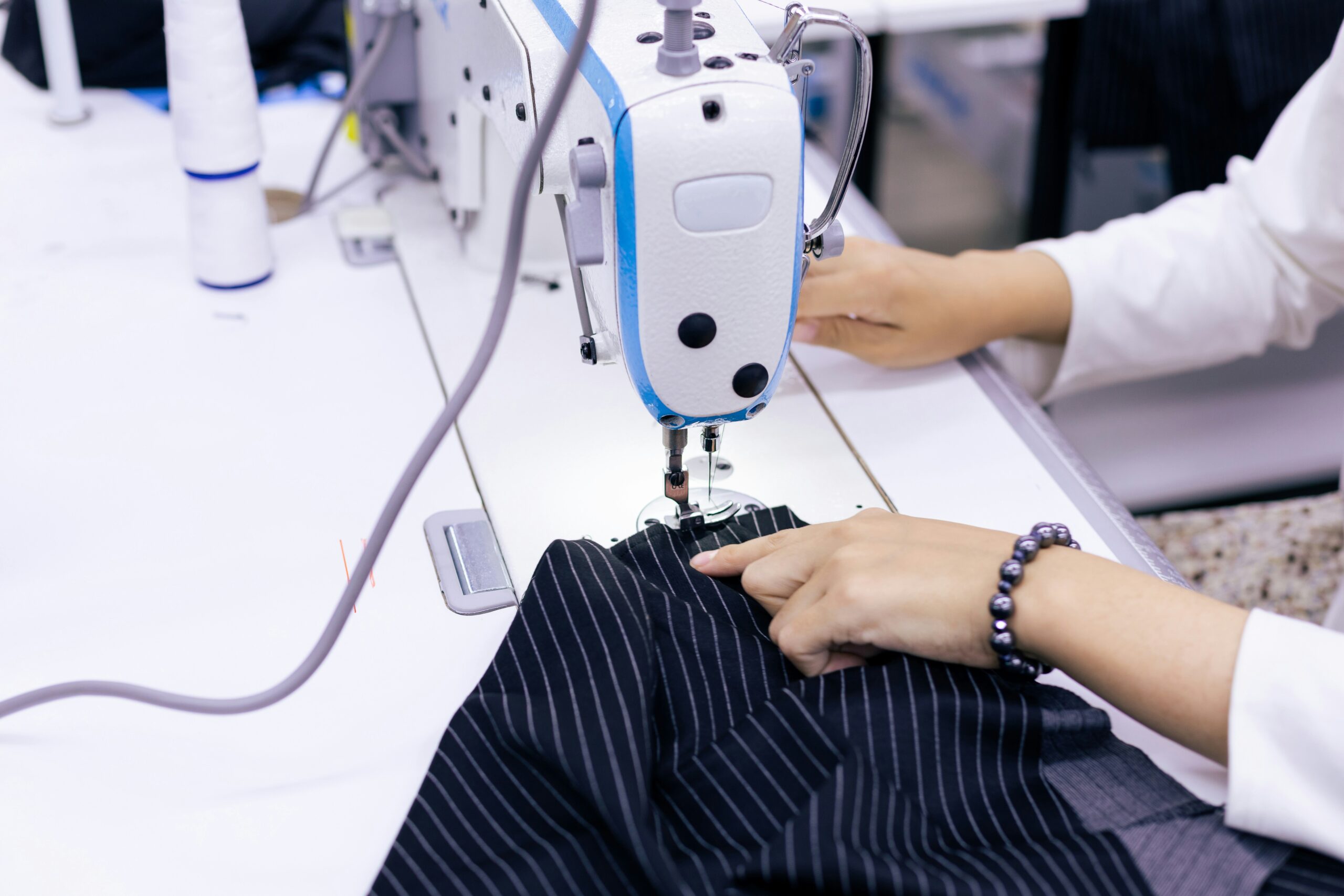
Fashion’s bullwhip comes from distance. Reshoring apparel turns seasonal bets into continuous sensing. On-demand cutting, local dyeing/finishing, and cell-based sewing reduce inventory risk and put style decisions closer to the moment of demand.
Digital patterning and automated cutting are the force multipliers. With markers optimized in software and cutters executing perfectly, fabric yield rises and pre-production time collapses. That enables micro-collections and rapid replenishment.
Near-zero inventory changes merchandising. Instead of over-ordering sizes and colors, brands place small, frequent drops that learn from sell-through in real time. Markdown risk falls; customer excitement rises.
Sustainability improves when miles shrink and waste drops. Short runs reduce deadstock; local finishing controls water and chemicals. Brands can show their math—fewer miles, fewer returns, more transparency.
Quality climbs with standardized work and close feedback. Fit issues are solved in days because pattern makers walk the floor. Defect triage happens at the cell, not the warehouse.
Labor becomes skilled, stable, and tech-enabled. Training focuses on multi-machine proficiency, maintenance basics, and digital tools. Career paths are visible; retention follows.
Customization becomes mainstream. Monogramming, fit tweaks, and local collaborations are practical when lead times are measured in days. Personalization stops being a novelty and becomes a margin strategy.
Reshored apparel doesn’t copy the old model—it replaces it with a responsive, data-driven engine that serves both creativity and cash flow.