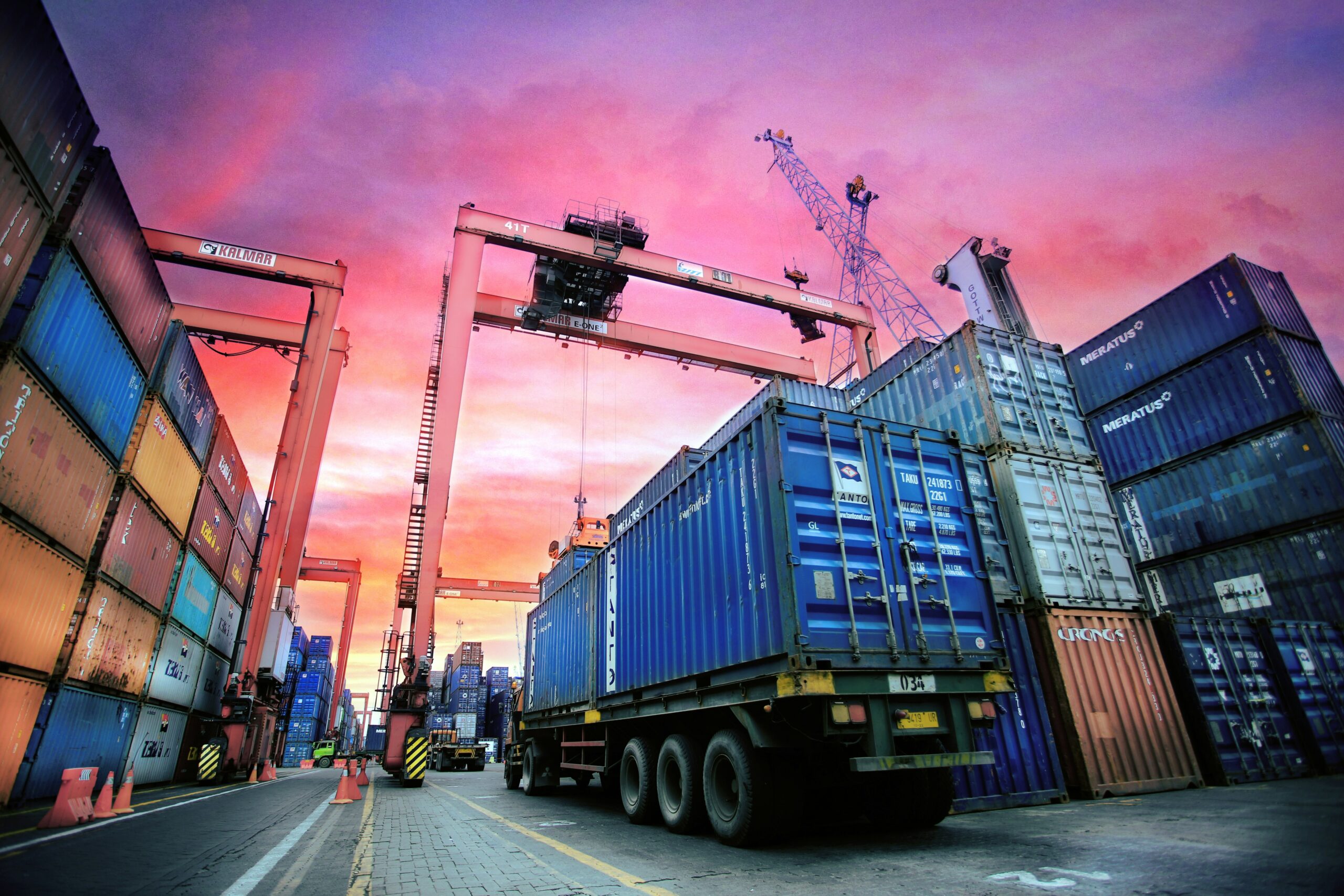
Ocean freight hides risk behind averages. The quote is a cost; the variance is a tax. Domestic transport—truckload, LTL, intermodal—reduces variance, which reduces inventory, expedites, and ulcers.
Calculate total time-in-motion. Port dwell, customs clearance, transload, rail, and dray each add variability. A two-week ocean leg can become eight weeks of uncertainty. A three-day truck can be two days plus a predictable buffer.
Expedites transform from crisis to tactic. Paying for a hotshot across two states is painful; flying pallets across oceans is punishing. Onshore networks make “plan B” affordable and realistic.
Packaging lasts longer when miles shrink. Fewer touches mean fewer crushed corners and mystery shortages. Damage reduction is margin; don’t leave it off the spreadsheet.
Carrier partnerships deepen locally. Dedicated capacity, drop trailers, and yard visibility tools integrate carriers into your rhythm. You buy reliability, not just lanes.
Sustainability improves with mode shifts. Intermodal and consolidated LTL cut emissions while protecting cost. Publish the carbon math alongside the dollars; customers care and will reward specificity.
Reverse logistics becomes rational. Repairs and refurb flow in days, enabling value recovery offshore models could never justify. A returned unit can reenter inventory this quarter, not next.
In the end, freight math is risk math. Shorter routes, fewer handoffs, and higher schedule control produce a calmer P&L and a happier customer.