Industrial capacity is national capability. When critical components, medicines, and technologies can be produced at home, the nation’s response options multiply and its vulnerabilities shrink. Reshoring is strategy as infrastructure.
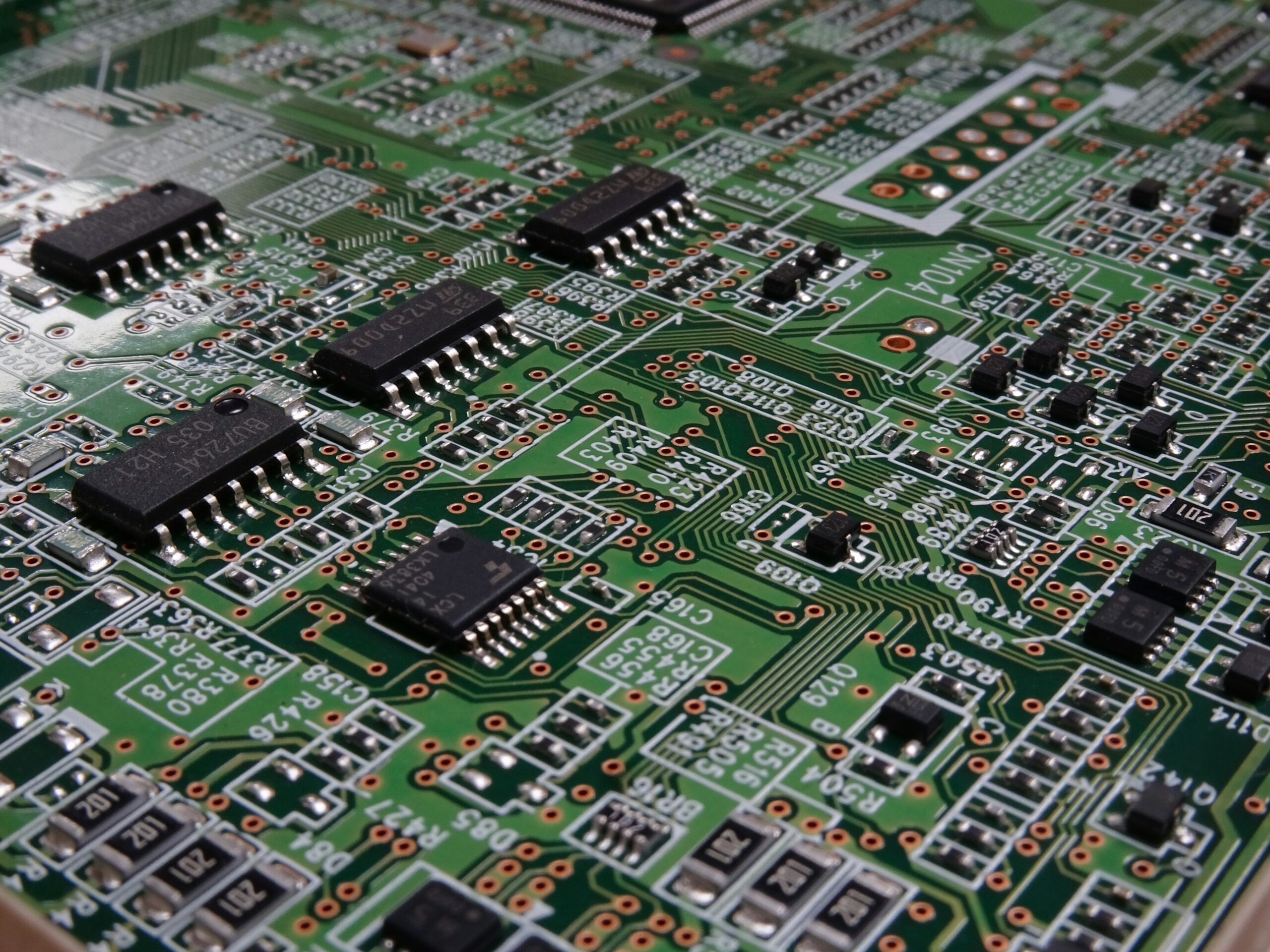
Dual-use technologies blur lines between commercial and defense. Domestic fabs, advanced packaging, battery plants, and precision machining support everything from EVs to avionics to grid stability. Capacity in one sector fortifies others.
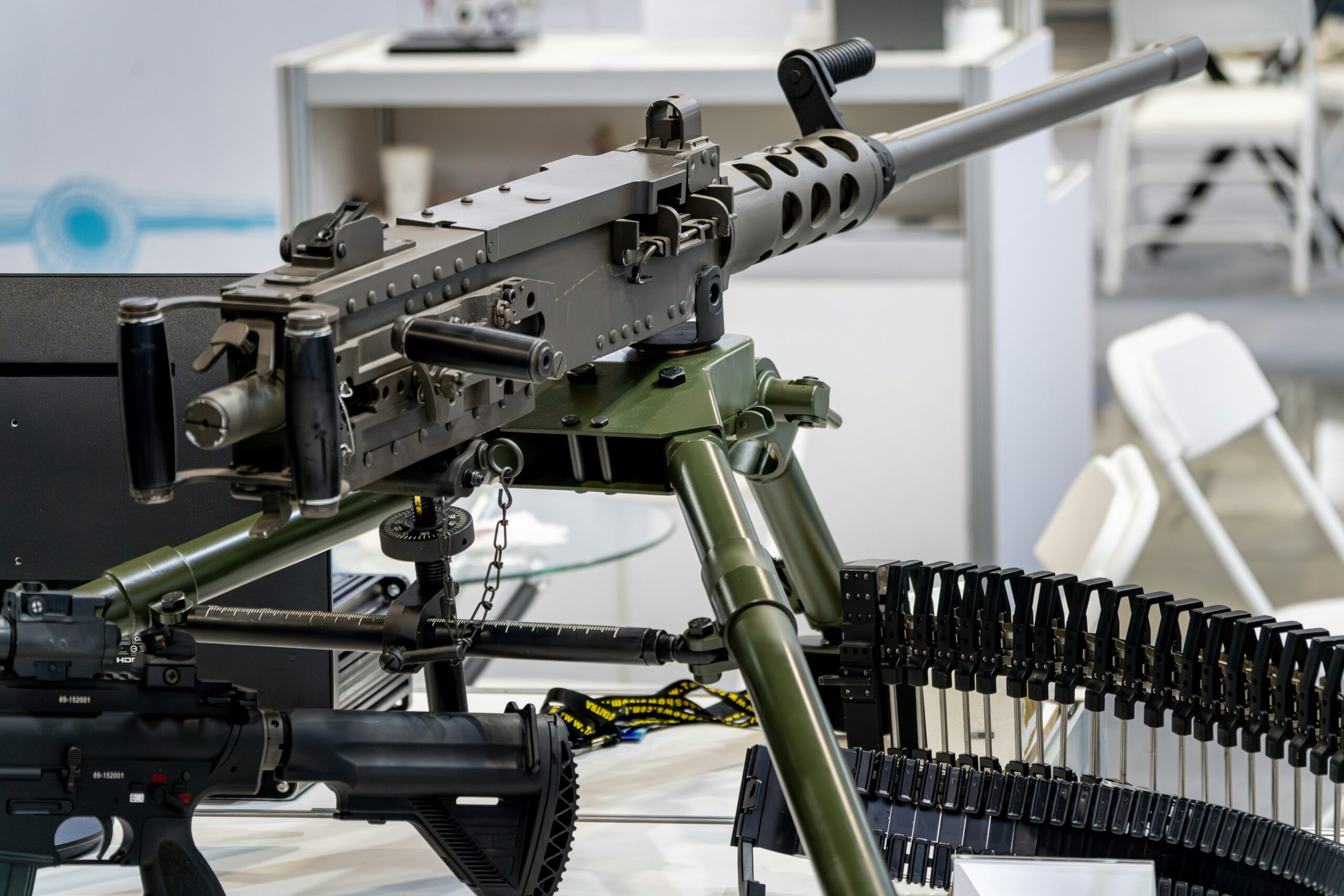
Supply assurance underwrites deterrence. If allies trust U.S. supply of key systems and spares, coalitions hold stronger under stress. That credibility depends on factories that can surge, not just plan.
Cyber-physical defense improves when critical plants operate under harmonized standards and clear jurisdiction. Coordinated drills, shared threat intel, and rapid patching cycles are feasible when the network is near and known.
Workforce is part of readiness. Skilled technicians, engineers, and operators form a living reserve that can pivot to priority programs when needed. Apprenticeships and veterans’ pathways make that bench deeper.
Logistics inside borders is easier to secure. Monitoring, redundancy, and controlled chokepoints reduce exposure to interdiction or disruption. Reverse logistics for repair and overhaul strengthens endurance over long campaigns.
Innovation accelerates in clusters. Proximity among universities, startups, and anchor manufacturers turns research into prototypes and prototypes into deployable systems faster. Speed is a strategic asset.
Reshoring is not isolation; it’s interdependence on stronger terms. A resilient U.S. industrial base supports allies, deters adversaries, and keeps citizens supplied when it matters most.