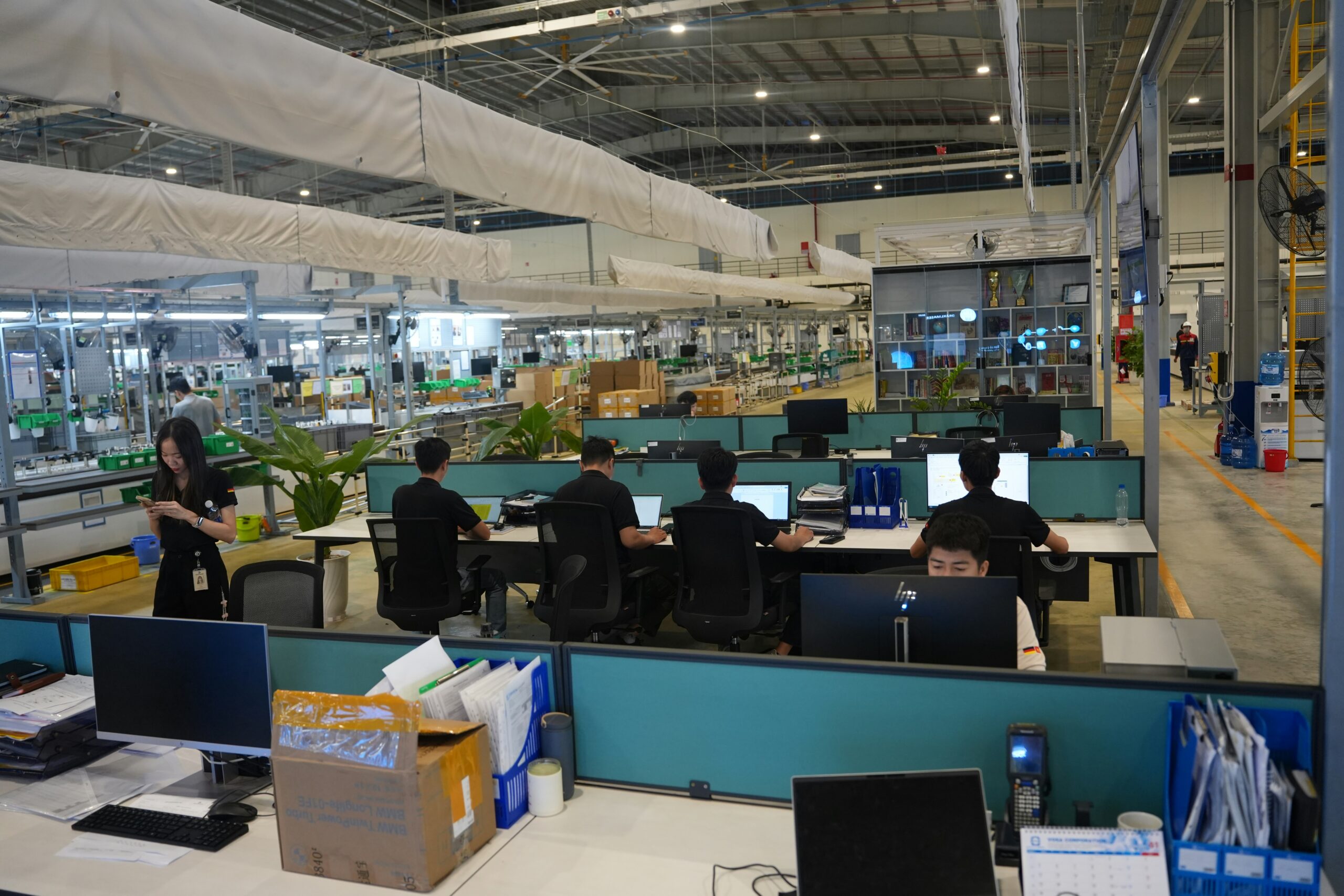
Shutting the lights is not a strategy. Treat offshore sites as assets to harvest thoughtfully—supplier partnerships, tooling, tacit knowledge, and market proximity can still serve you if managed with intention.
Begin with a triage map. Which products stay for regional customers? Which processes can be licensed, sold, or transferred? Which vendors become export partners to your U.S. lines? Segment before you sever.
Tooling and fixtures are IP in steel. Inventory, audit, and repatriate what you need; negotiate controlled use for what remains. Document change histories so your domestic line starts with the latest rev, not a museum piece.
People carry the process. Identify key operators, techs, and engineers whose tacit knowledge keeps yield high. Short-term exchanges, capture of video SOPs, and shadowing can move know-how home without drama.
Customers in former offshore regions still matter. Backfill with regional partners or contract manufacturers to maintain service levels. A reshoring win in the U.S. shouldn’t become a service loss abroad.
Contracts need gentle landings. Plan exit timing to avoid penalties and reputational blowback. Where possible, convert vendors into suppliers to your U.S. operation—continuity beats clean breaks.
Finance must manage the unwind. Dispose of assets with tax efficiency, hedge currency exposures on receivables and payables, and revalue inventory as it shifts modes and jurisdictions. The aftershocks are P&L events; schedule them.
Finally, communicate. Transparency with employees, vendors, and customers preserves trust. “We’re moving closer to you” in the U.S. pairs with “We’re keeping you supplied” abroad. The world is watching how you change.