Textiles reward speed and control. Reshoring fibers, yarns, knitting/weaving, dye/finish, and cut-and-sew compresses months into weeks while lifting traceability from marketing claim to operational fact. Fashion cycles stop guessing and start sensing.
Material innovation accelerates in clusters. Mills and brands trial performance fibers, recycled content, and bio-based blends with rapid feedback from finishing lines and wear tests. Recipes settle faster because lab data meets plant reality in days.
Dyeing and finishing quality improves with nearby water and energy stewardship. Closed-loop systems, heat recovery, and precise chemistry dosing reduce impact while stabilizing shade and hand. Sustainability and consistency rise together.
Cutting rooms become digital hubs. Automated nesting, marker optimization, and fabric inspection reduce waste and set the tempo for downstream cells. Patterns change at software speed, enabling micro-collections without penalty.
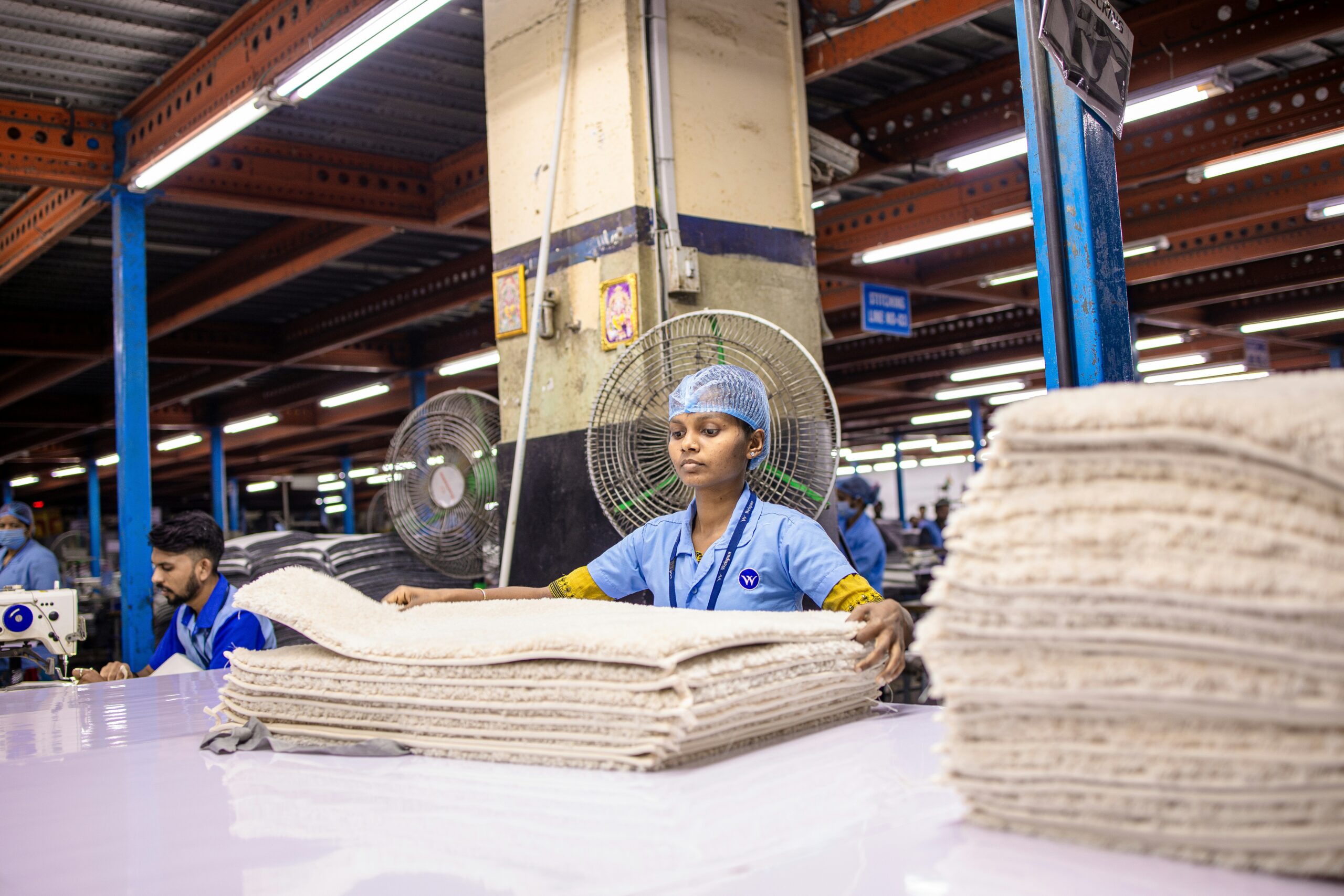
Cell sewing elevates craft with standard work. Operators run multi-operation stations; quality checks are in-line; rework loops are measured and short. Fit issues get solved in a week, not piled into returns.
Customization becomes a margin lever. Monograms, made-to-measure tweaks, and localized colorways are feasible at lead times customers will accept. Personalization stops being a boutique luxury and becomes a scalable offer.
Reverse logistics feeds circularity. Repairs and refurb happen near origin, extending life and recovering value. Offcuts find second uses; take-back programs become operational, not aspirational.
Reshored textiles aren’t just “made here.” They’re designed, dyed, and delivered in a tight loop that aligns creativity with cash flow—and turns sustainability into a measurable outcome.