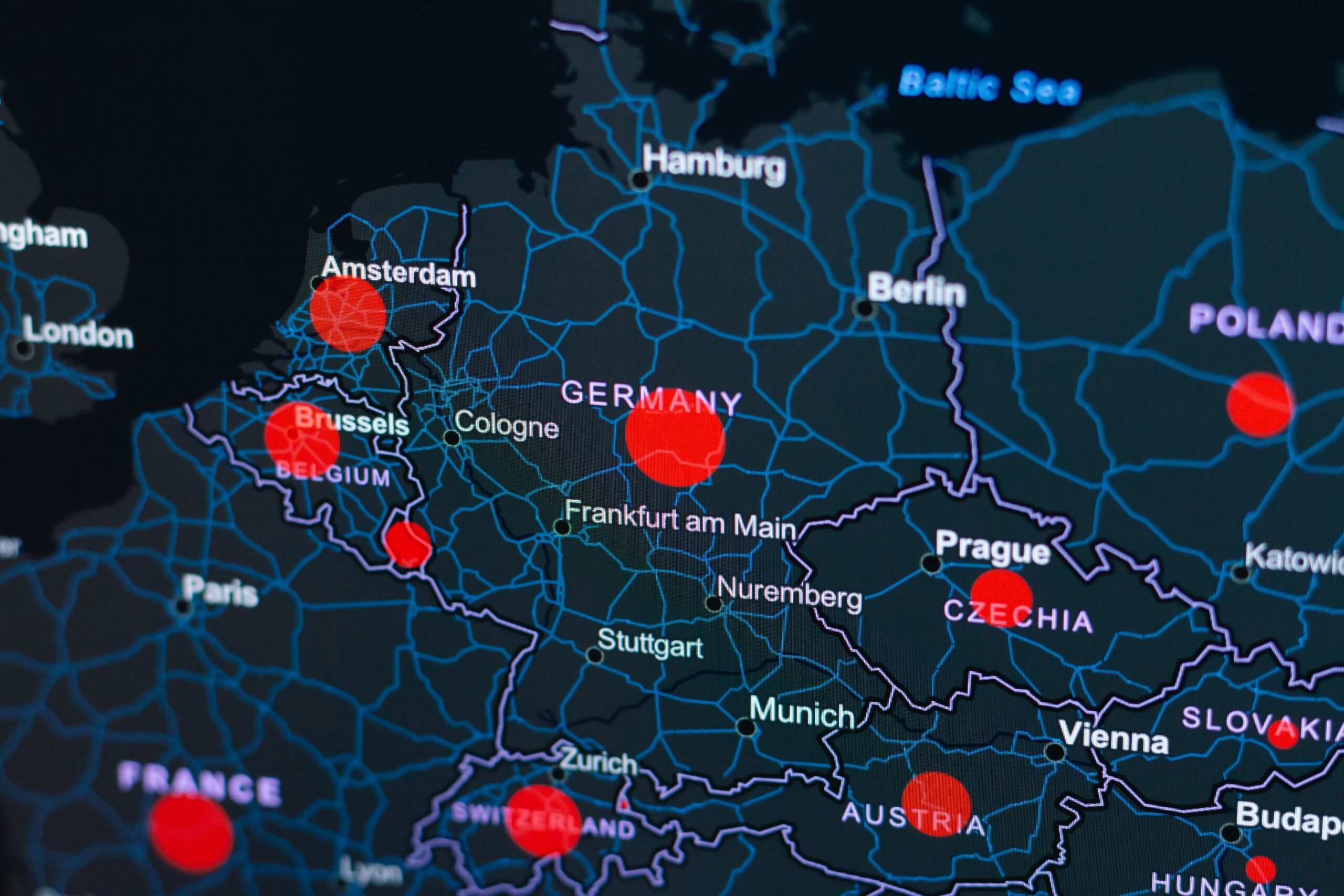
Start with flow, not a pin on a map. Model your future-state material and information streams—suppliers in, finished goods out, service loops back—and let the network math shortlist candidate regions. Sites that compress time will out-earn sites that merely cut rent.
Talent is the gating asset. Analyze local skill supply by specific competencies—PLC troubleshooting, CMM, TIG, SMT—rather than generic job titles. Validate with program directors at community colleges and union training centers; they’ll tell you who’s graduating next quarter.
Utilities decide your critical path. Lock timelines for power, water, gas, and data before you fall in love with a parcel. Request transformer lead times, redundancy options, and interconnection studies early; delays here swallow months.
Freight predictability beats distance by a little. Inland ports, intermodal yards, and reliable carriers can remove days of variance. Measure not just miles to customers but the standard deviation of transit time; variance is what bloats inventory.
Regulatory rhythm matters. Some jurisdictions synchronize permits, inspections, and certificates of occupancy through single windows. Others don’t. Ask for a Gantt chart from the city—with named owners and SLAs—before you assume speed.
Supplier density is a quiet moat. Within a two-hour drive, can you buy fixtures, get a spindle repaired, source a special coating, and calibrate a CMM? Cluster strength shows up as uptime, not just convenience.
Real estate should fit your Phase 3, not just Day 1. Prioritize clear heights, column spacing, truck courts, and expansion lines that allow mezzanines and new cells without tearing out your current flow. Flexibility is a site attribute.
Finally, pressure-test community partnership. The best locations act like teammates—co-funding training seats, sequencing roadwork, and coordinating utilities. When the city shows up with a plan, not platitudes, your ramp will, too.