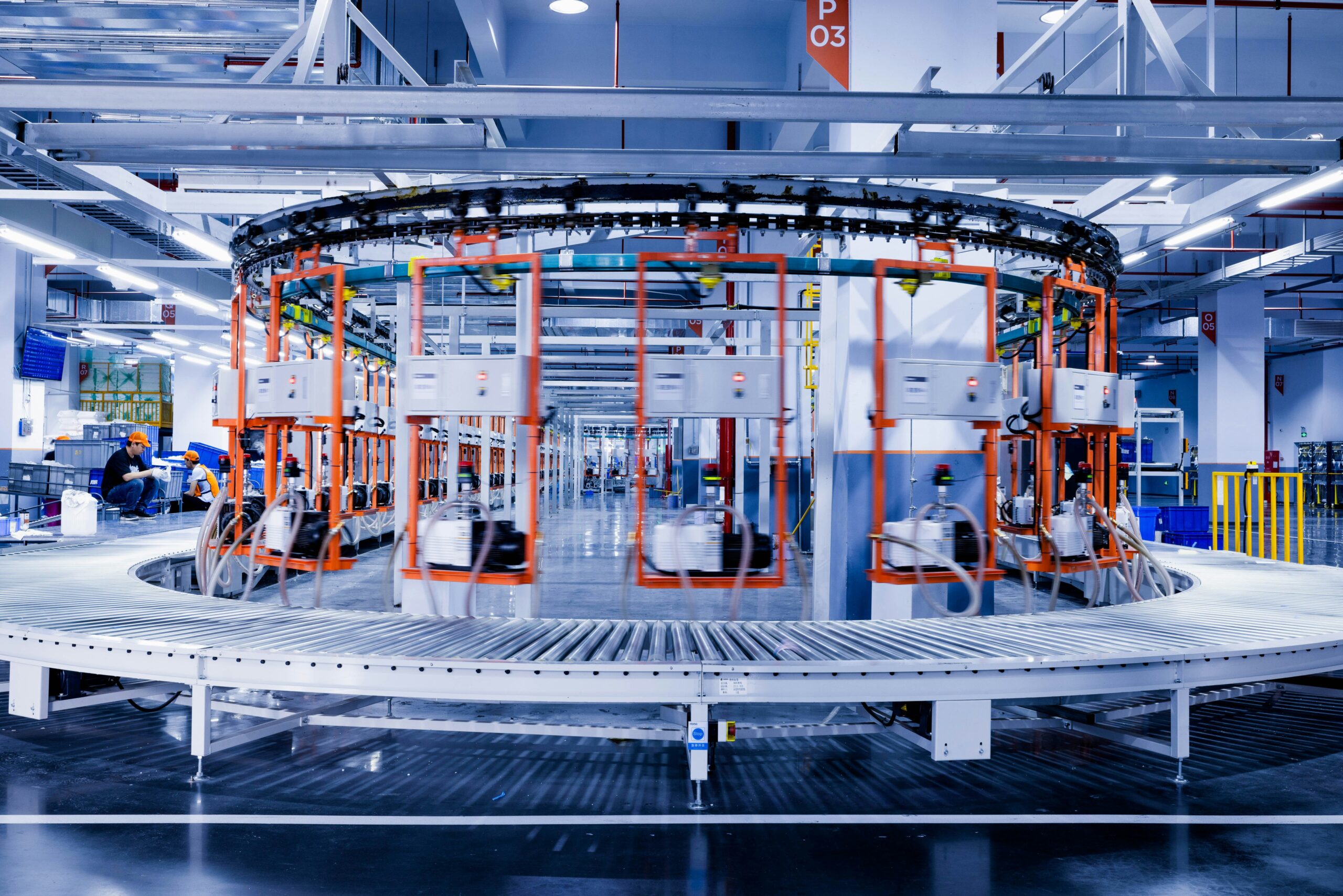
Industry 4.0 is not a gadget list; it’s a management system. Sensors, MES, and analytics matter only if they change decisions. The reshored smart factory wires data to the people who can act within the shift, not after the quarter closes.
Connectivity starts at the cell. Machines report cycle times, reasons for stops, and quality checks automatically. Teams hold five-minute reviews at shift start, committing to one improvement they can ship by day’s end.
Digital twins move from concept to commissioning. Before a line exists, engineers simulate throughput, ergonomics, and maintenance access, reducing rework and accelerating ramp-to-rate once hardware lands.
Traceability becomes native. Lot genealogy, torque signatures, and test results are linked to each unit, enabling instant recall targeting and deep root-cause analysis. Service teams gain superpowers when field issues map back to specific process windows.
AI assists, it doesn’t replace. Models flag anomalies, predict failures, and recommend parameter tweaks, but decisions stay with people closest to the work. Augmented intelligence keeps accountability clear and adoption high.
Cybersecurity is designed in, not bolted on. Network segmentation, identity controls, and secure update pipelines protect uptime and IP. A secure factory is a reliable factory.
Smart factories create smart jobs. Technicians learn to read data, not just dials. The appeal to younger talent is real: modern tools, clear progression, and meaningful work tied to visible outcomes.
Local jobs and advanced technology aren’t opposites—they’re complements. The more capable the plant, the more valuable the people who run it.