The map of opportunity is tilting inland. Rail spines, interstate crossroads, available land, and pragmatic permitting give the Heartland an execution edge. Add proximity to major customer bases, and the logistics math tightens.
Workforces here bring deep craft traditions—welders, millwrights, machinists—ready to layer in automation skills. Employers who invest in cross-training find loyalty and throughput rising together.
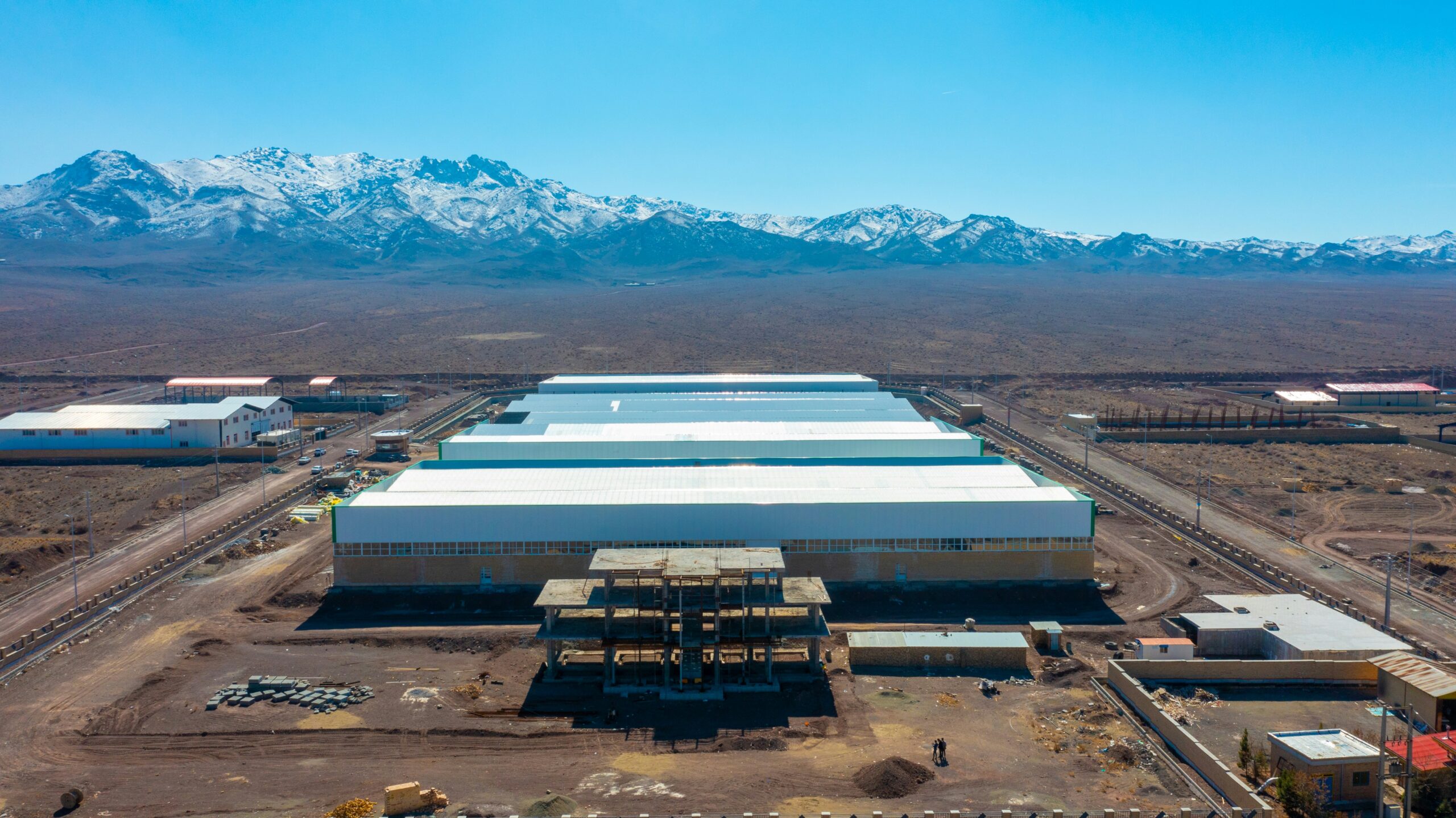
Industrial real estate favors flexible layouts. Large footprints accommodate modular cells, future mezzanines, and expansion phases without disrupting current lines. Planning for growth becomes a design principle, not a retrofit headache.
Supplier ecosystems are deepening. Tooling, robotics integration, and maintenance services are scaling to meet demand, reducing downtime and speeding new-line commissioning.
Community partnerships are practical and fast. City and regional leaders often act as one team—coordinating training seats, transportation adjustments, and utility timelines so plants ramp without surprises.
Quality of life helps retention. Short commutes, reasonable housing costs, and strong schools keep families rooted. Stable teams are productive teams, and the Heartland’s lifestyle is a quiet but persistent advantage.
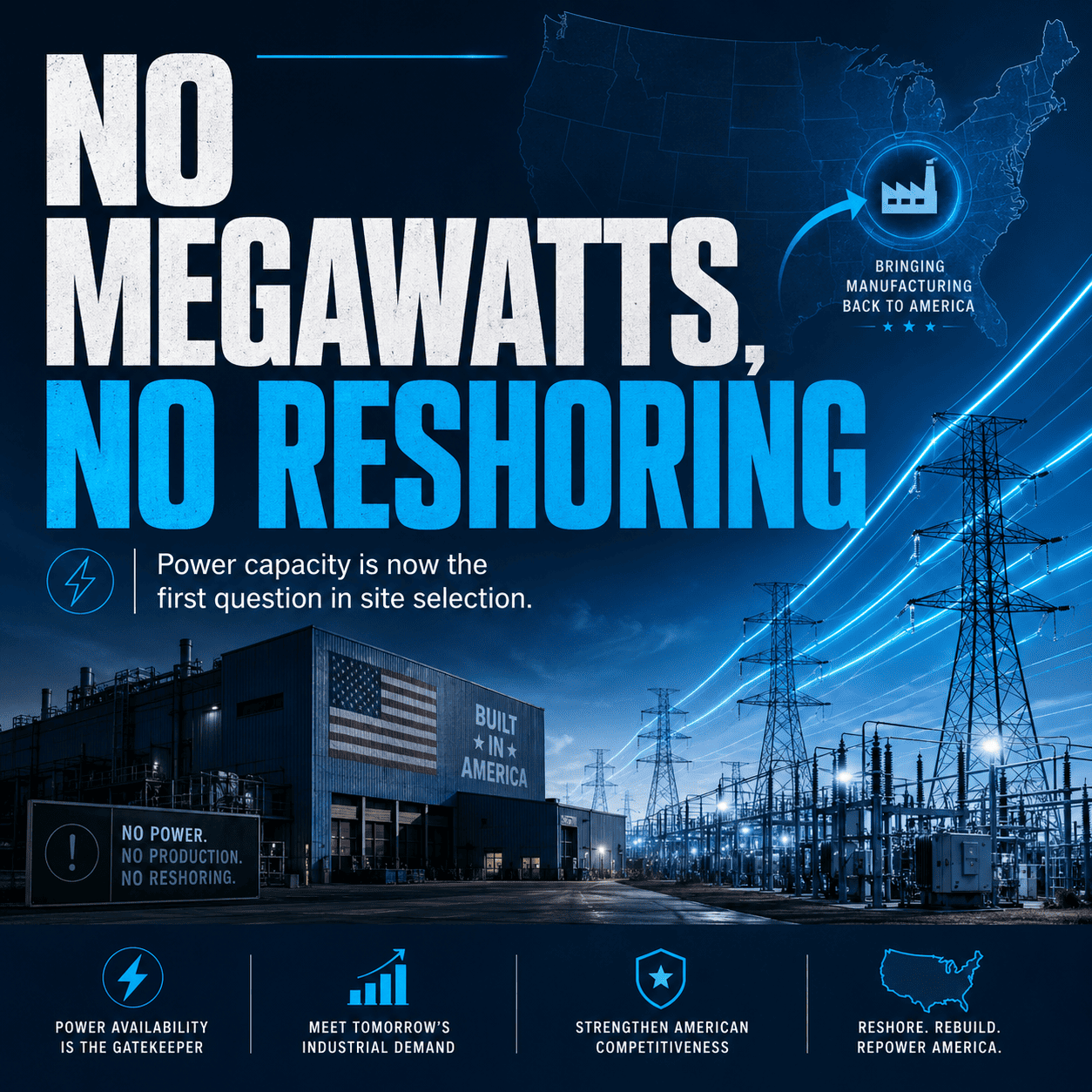
Energy reliability matters, too. Access to diverse generation and industrial-rate programs supports predictable OPEX, while growing renewables enable credible decarbonization roadmaps.
As anchor factories land, second- and third-order effects follow: suppliers move in, logistics firms expand, and entrepreneurial spinoffs appear. That’s how hubs become corridors.