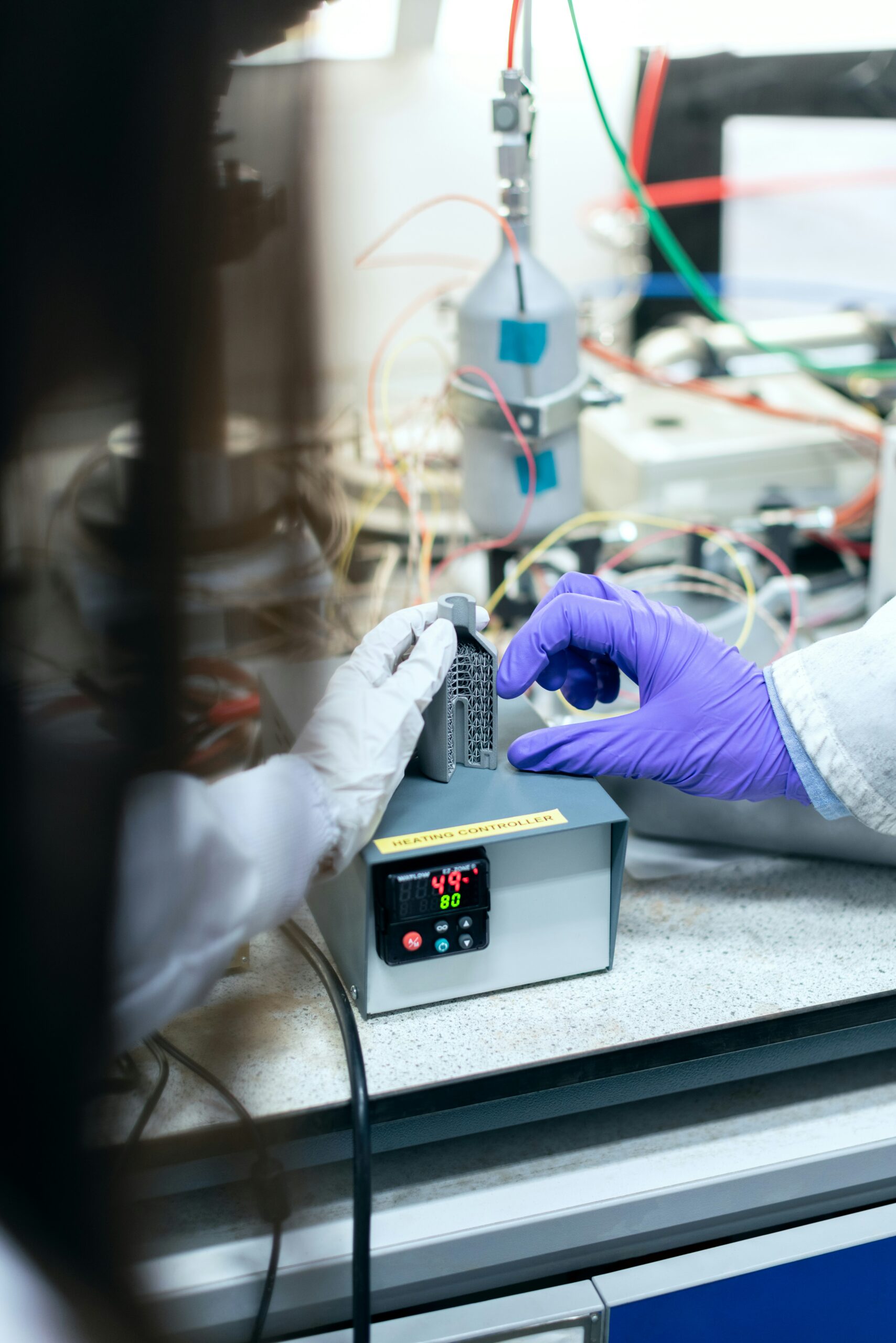
IP doesn’t just leak through theft; it evaporates through distance. Tacit know-how—why a torque spec sticks, why a fixture vibrates—disappears when teams are separated by oceans. Reshoring R&D and prototyping captures that knowledge where it’s created.
Build processes become part of the invention. When engineers and operators iterate together, fixtures, test methods, and software recipes harden into defensible trade secrets. You own not only the drawing, but the way to make the drawing real.
Secure build pipelines are easier onshore. Firmware signing ceremonies, key management, and code provenance audits all live inside one legal regime. Attack surfaces shrink, and audit trails get cleaner.
Supplier collaboration strengthens without oversharing. Co-located vendors can see enough to help—tolerances, materials, interfaces—without needing your full crown jewels. The gradient of access is easier to manage in person.
Prototypes stop traveling, and so does sensitive data. Test articles, failure analysis, and teardown insights stay in controlled spaces. You learn faster without multiplying digital copies of your most valuable files.
Patent quality improves. When inventors observe manufacturing realities, claims cover what actually differentiates: assembly sequence, control logic, and parameter windows that rivals won’t guess. Stronger patents, fewer rework filings.
Black Book Insights interviews with CTOs suggest an often-missed benefit: retention. Engineers who watch their ideas launch in weeks, not quarters, stick around. Continuity is an IP asset.
Reshoring R&D is not isolationist; it’s concentration. You keep the secrets that matter and share the context that speeds partners—on your terms.