Your building is a machine—treat it like one. Start with process maps and cell layouts, then fit four walls around the flow. The best boxes serve maintenance access, material kitting, and safety egress without compromise.
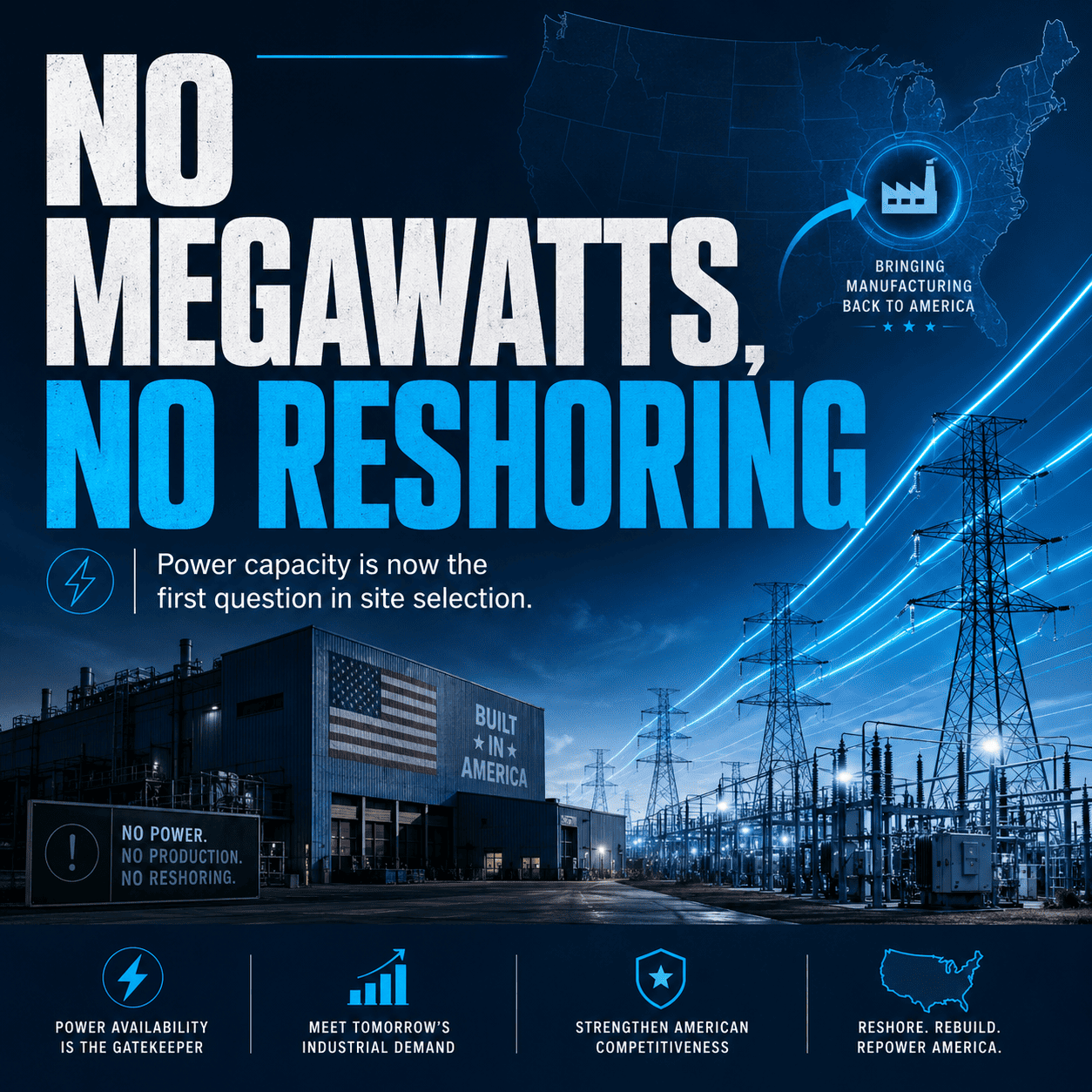
Power quality is as important as capacity. Robots, vision systems, and test stands hate dirty power. Specify harmonics limits, grounding, and surge protection up front. Submeter by line so energy anomalies flag process drift in real time.
HVAC and filtration should follow the product, not the square footage. Zonal control for clean areas, solder bays, or finishing rooms saves money and stabilizes quality. Don’t over-condition warehouse air if value creation happens in cells.
Dock design sets your cadence. Plan for separate inbound and outbound flows, plenty of staging, and yard visibility. A well-orchestrated dock can shrink dwell, reduce touches, and protect inventory accuracy.
Floor flatness, clear height, and column spacing determine automation options. AGVs and high-bay AS/RS have hard requirements. Designing for those now avoids expensive retrofits later when growth forces your hand.
Think mezzanines as strategy, not decoration. They create vertical separation for kitting, light assembly, or QA without lengthening the walk. Elevating the right work shortens paths and increases throughput.
Embed the digital spine. Conduits, cable trays, and Wi-Fi coverage must match MES, vision, and sensor plans. If data is your fourth utility, give it the same planning rigor as water and power.
Design for changeovers at the building scale. Quick-connect utilities, modular safety fencing, and standardized anchoring let you reconfigure lines over a weekend. Buildings that flex pay for themselves in avoided downtime.