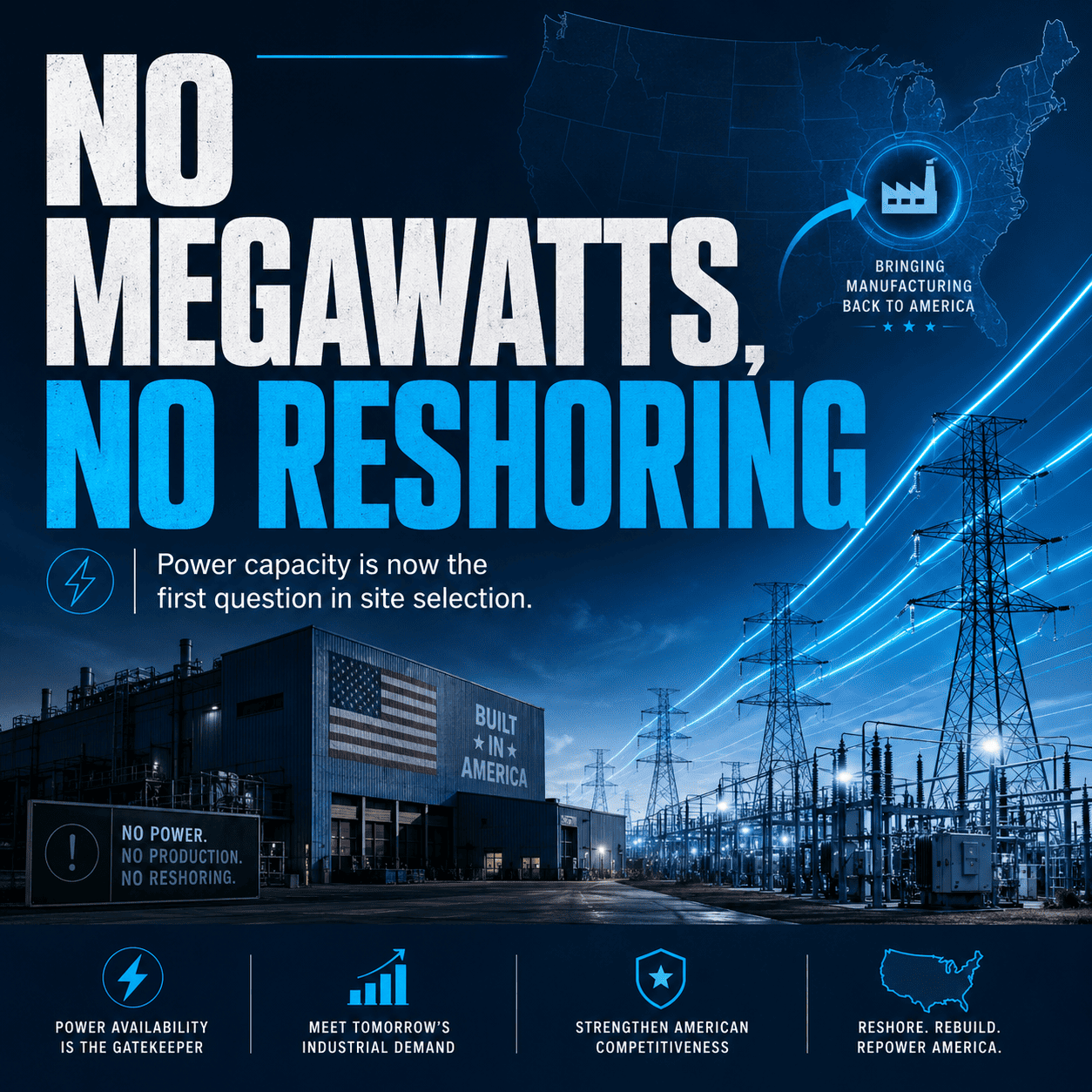
Reshoring changes the physics of fulfillment. When goods are made closer to demand, the DC shifts from bulk storage to high-velocity flow—fewer pallets aging in racks, more cartons moving within hours of arrival.
Automation fits this new rhythm. AMRs ferry picks, goods-to-person systems compress walk time, and automated sorters sequence outbound lanes by route, not by warehouse convenience. Throughput climbs without expanding the footprint.
Slotting gets dynamic. With domestic production, replenishment hits predictable windows; WMS can reshuffle fast movers nightly, shrinking travel paths and cutting touches. What used to be a quarterly reset becomes a daily tune.
Quality and accuracy improve when machines handle the repetitive motions. Vision checks confirm labels and quantities, and pick-to-light reduces cognitive load. Errors that once drove costly returns get squeezed out of the process.
Labor strategy upgrades from brawn to brains. Associates become system conductors—monitoring dashboards, clearing exceptions, and running rapid kaizen. Training focuses on flow, safety, and tech fluency, not just rates.
Resilience is built in. If a cell goes down, AMRs route around it; if a carrier misses a dock, orchestration resequences the wave. The system degrades gracefully instead of failing catastrophically.
Energy use becomes a lever. Conveyors idle when empty, chargers top AMRs during micro-breaks, and submetering ties kilowatt-hours to lines and shifts. Efficiency shows up in both bills and uptime.
Black Book Insights client debriefs show the same pattern: when factories move home, DCs stop being storage and become synchronized flow engines—automation is the translator that keeps the cadence.