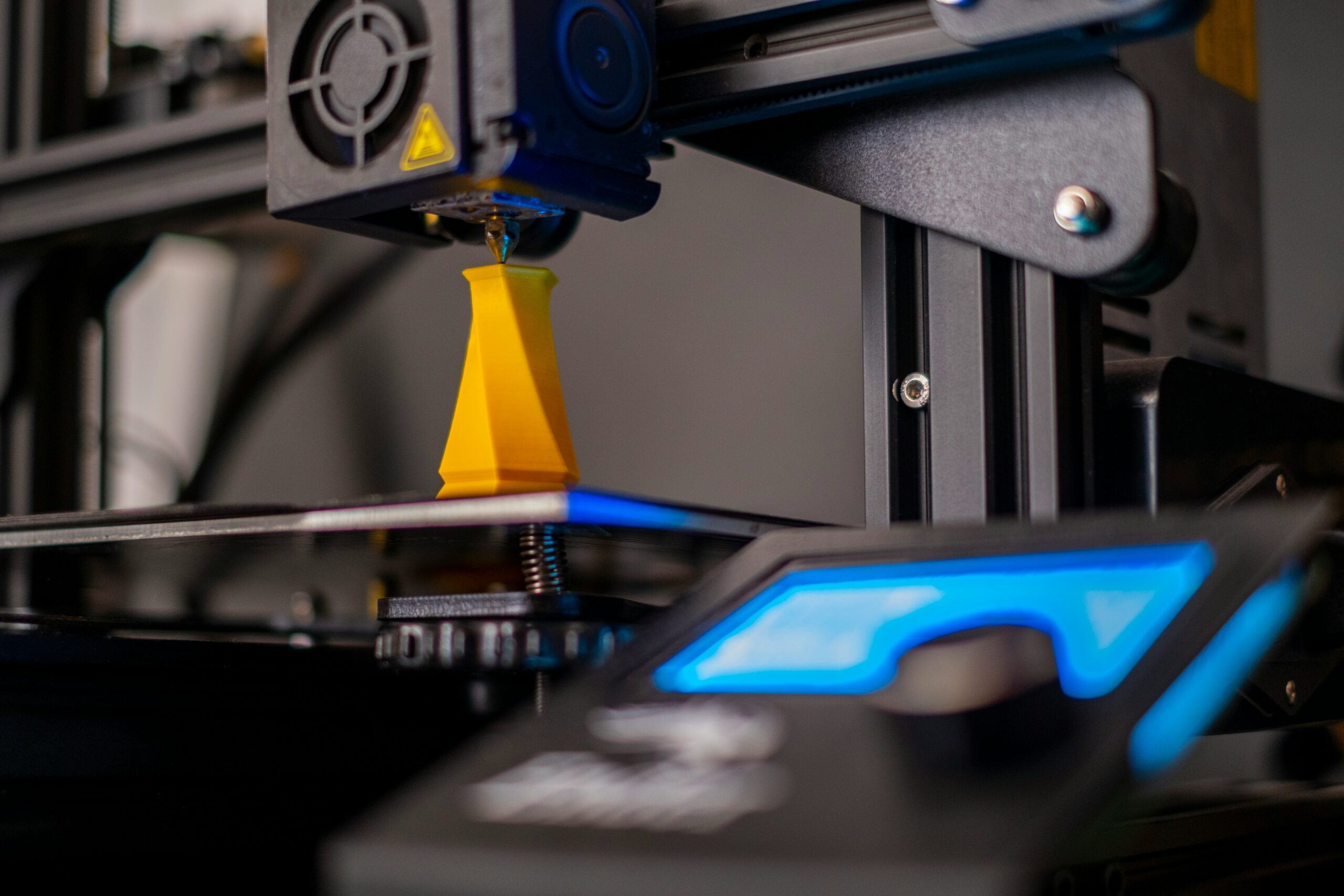
Additive isn’t just a new machine; it’s a new math. Complex geometries cost the same as simple ones, tooling is optional, and iteration is cheap. Those properties make U.S.-based production of low-to-mid volumes suddenly make sense.
Design freedom reduces part counts. Consolidating assemblies into single prints cuts fasteners, leaks, and quality escapes. Less assembly means fewer stations, less training time, and lower cumulative tolerance stack-ups.
Lead times collapse when you print near demand. Spare parts, jigs, and short-run components move from “wait eight weeks” to “ship next week.” Maintenance teams and NPI programs both gain resilience.
Materials science has matured. Certified powders, filaments, and resins now cover aerospace, medical, and industrial grades. Post-processing cells—HIP, heat treat, machining—complete the chain inside domestic hubs.
Economics improve when you account for risk. Avoided tooling, reduced obsolescence, and lower WIP make additive competitive before you even price the ocean. Add the value of customization, and the equation tilts further.
Quality control is data-rich. Layer-by-layer monitoring, in-situ sensors, and serialized build logs create a traceability spine that traditional processes can’t match. Auditors like evidence; additive produces a lot of it.
Black Book Insights interviews point to a pattern: additive pays first in spares and fixtures, then graduates to revenue parts. The stepwise path derisks adoption and builds internal champions.
Additive doesn’t replace machining and molding—it makes them smarter, faster, and closer.