Not every input can be sourced domestically on day one. The advantage comes from minimizing the distance between the port and the plant, then maximizing control from dock door to dock door. That’s the port-to-plant play.
Strategic site selection near inland ports and intermodal yards cuts days out of inbound flows. Containers clear faster, dray is predictable, and transloads feed plants on a steady cadence rather than a feast-or-famine cycle.
Cross-docks act as shock absorbers. They break bulk, sequence loads, and align materials to production windows. The result is smaller on-hand buffers and fewer line stops due to mis-sequenced parts.
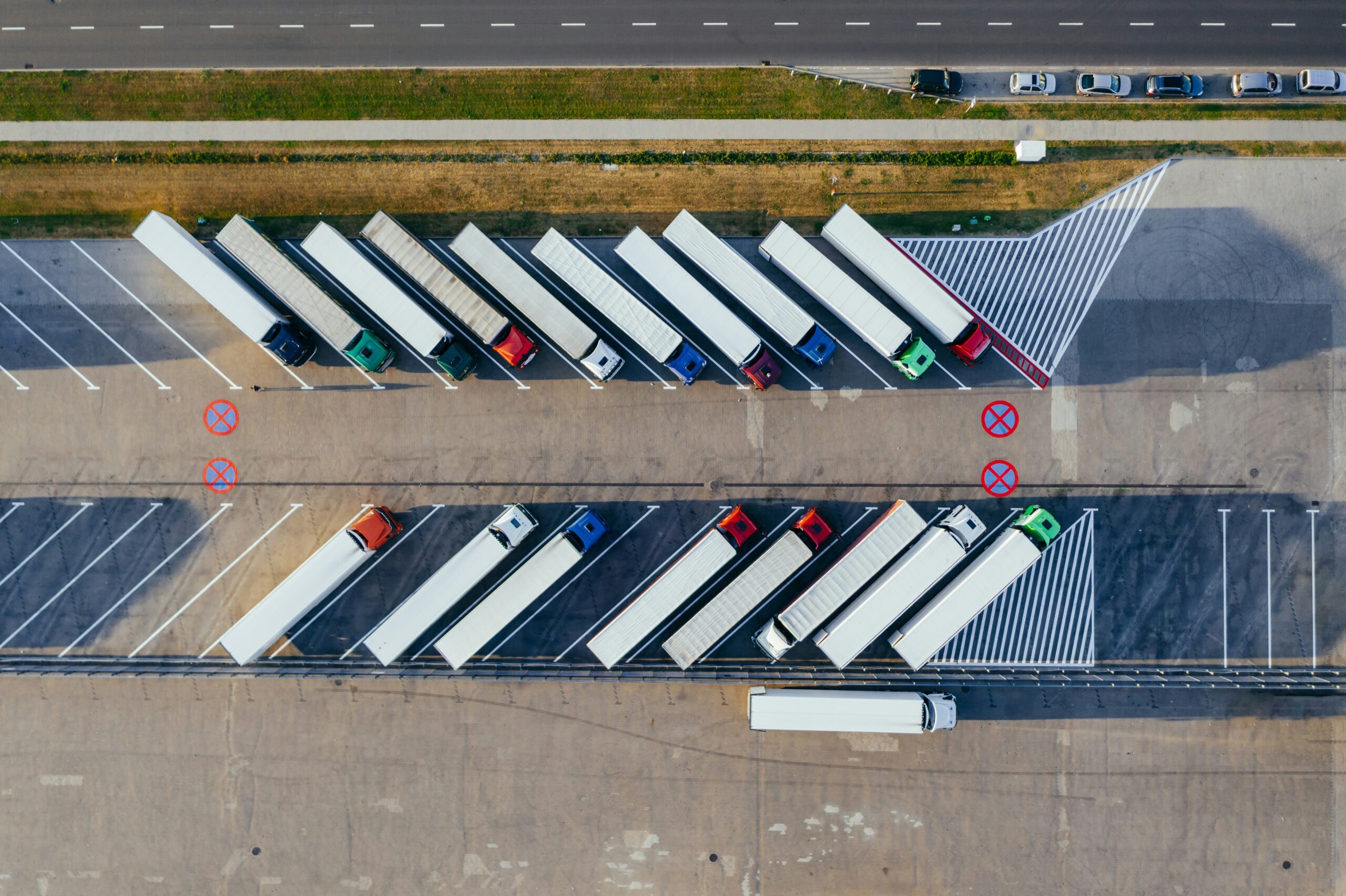
Yard and dock orchestration reduces idle time. Appointment systems, real-time visibility, and geofenced alerts let carriers and plants behave like one organism. Labor plans match actual arrivals, not wishful ETAs.
Inside the four walls, flow beats storage. Kitting, milk runs, and point-of-use delivery reduce pick errors and shorten the physical path of work. Space converts from inventory to capacity.
Outbound earns the same discipline. Regional DCs or direct-plant fulfillment cut touches and create predictable delivery promises customers can trust. Expedites become rare—and when they happen, they’re affordable.
Reverse logistics becomes rational. Repairs, refurb, and returns flow back to centers designed for them, not crammed into receiving docks. Value recapture stops being theoretical.
The closer the plant is to the port—and the smarter the path between them—the stronger the reshoring math becomes.