Insurance is a mirror that prices your risk. Reshoring changes that reflection. Shorter chains, tighter controls, and better data can reduce premiums across property, business interruption, cyber, and product liability.
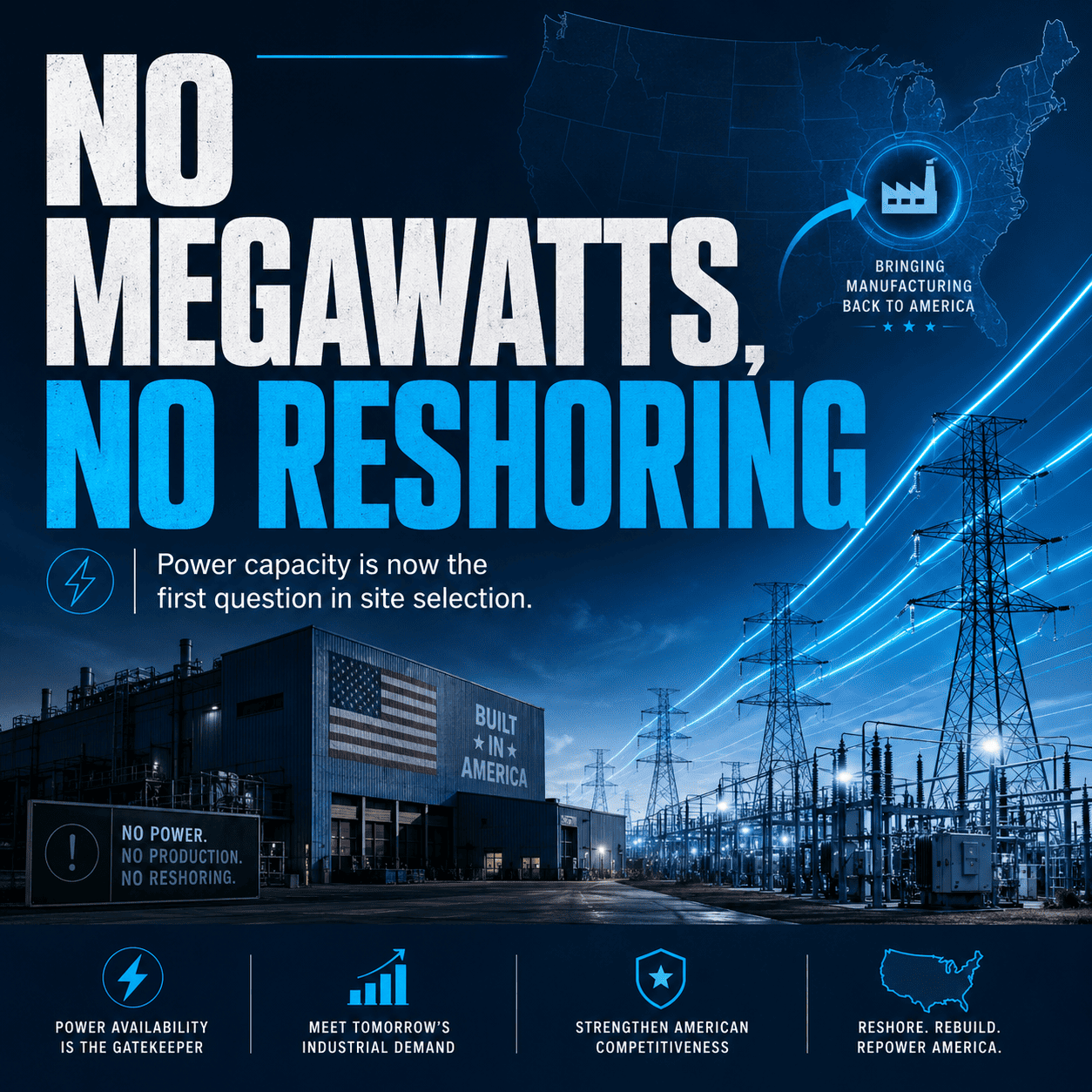
Property and BI see fewer catastrophic scenarios. Domestic plants have clearer fire protection standards, known grid reliability, and faster access to parts and service. Downtime exposures shrink, and carriers notice.
Product liability improves when traceability is native. If you can isolate a defect to a narrow lot and demonstrate process control, claims cost less and resolve faster. Documentation is not paperwork; it’s protection.
Cyber risk declines with scope and governance. When production networks, signing keys, and sensitive logs stay onshore under consistent controls, breach likelihood and impact both fall. Underwriters reward segmentation and monitoring.
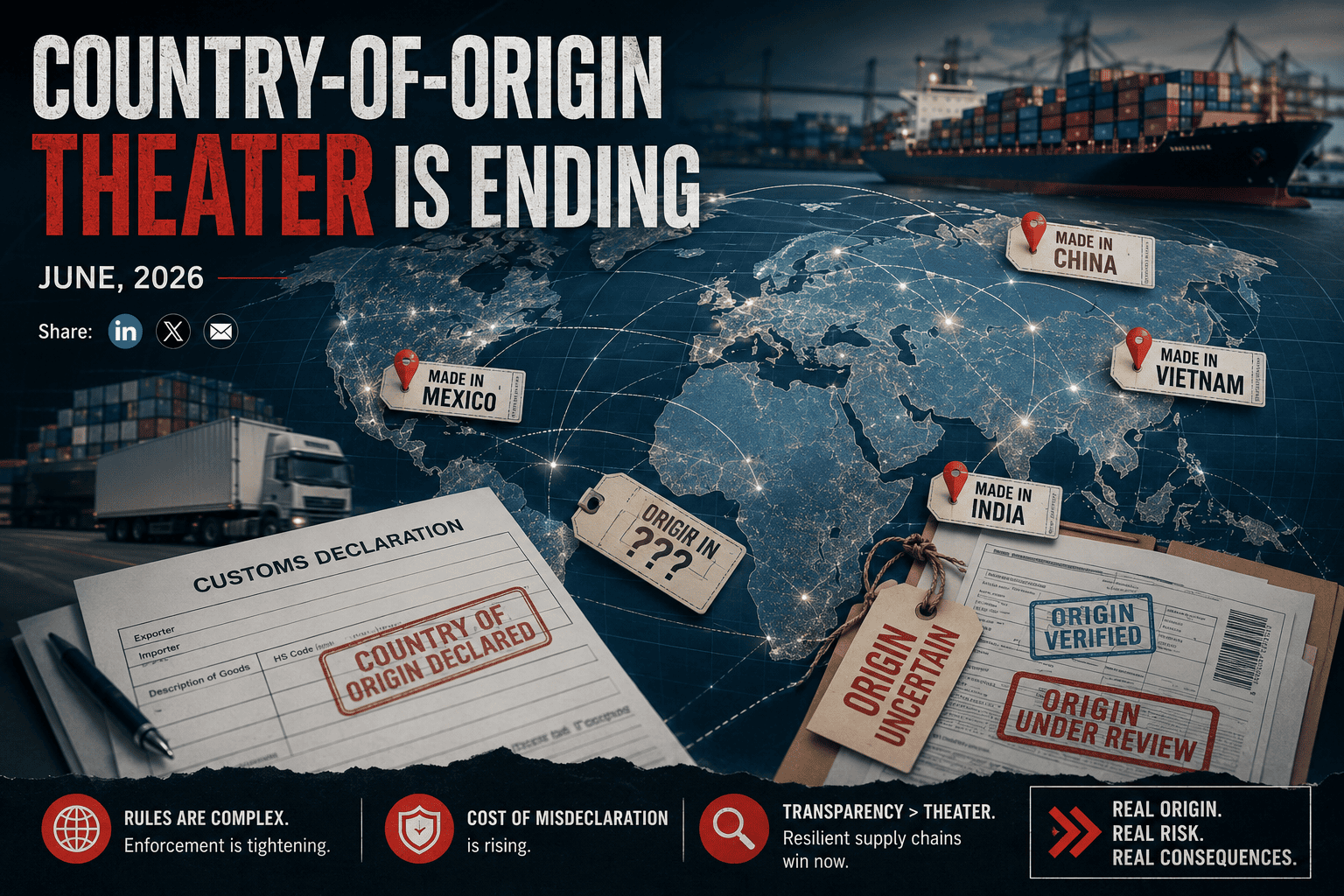
Cargo and transit exposures drop. Fewer ocean legs and customs handoffs reduce pilferage, delay, and damage. Inland routes are easier to secure and insure.
Workers’ comp benefits from better ergonomics and automation. Cobots take the strain; AMRs reduce forklift incidents. Safety culture backed by data lowers frequency and severity.
Insurability matters to customers, too. Proof of strong coverage and risk controls wins contracts in regulated and high-stakes sectors. Confidence is a sales asset.
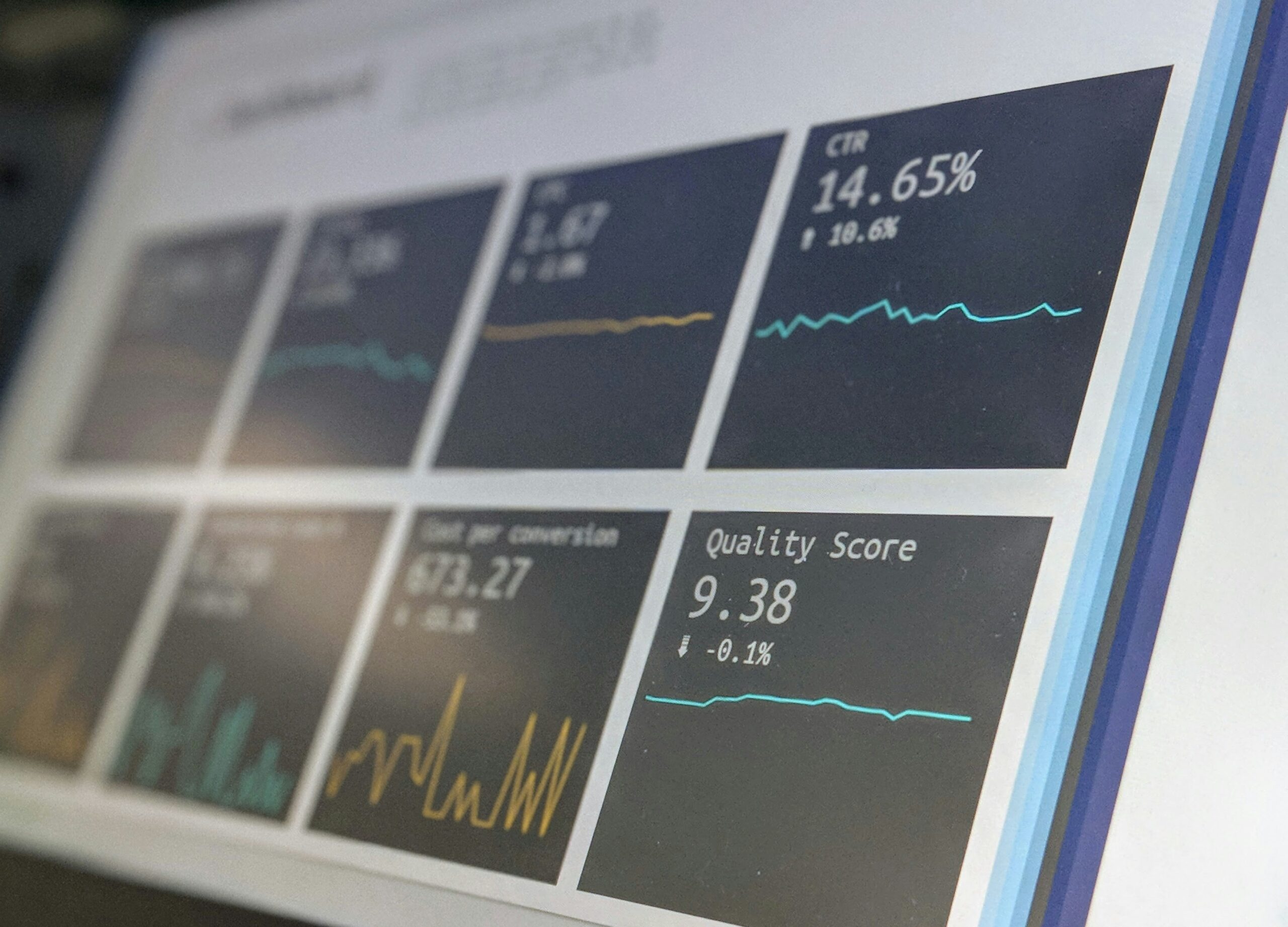
Black Book Insights conversations with brokers underscore the point: bring your risk story with data—OEE, downtime cause codes, safety leading indicators—and carriers will meet you with price and terms.