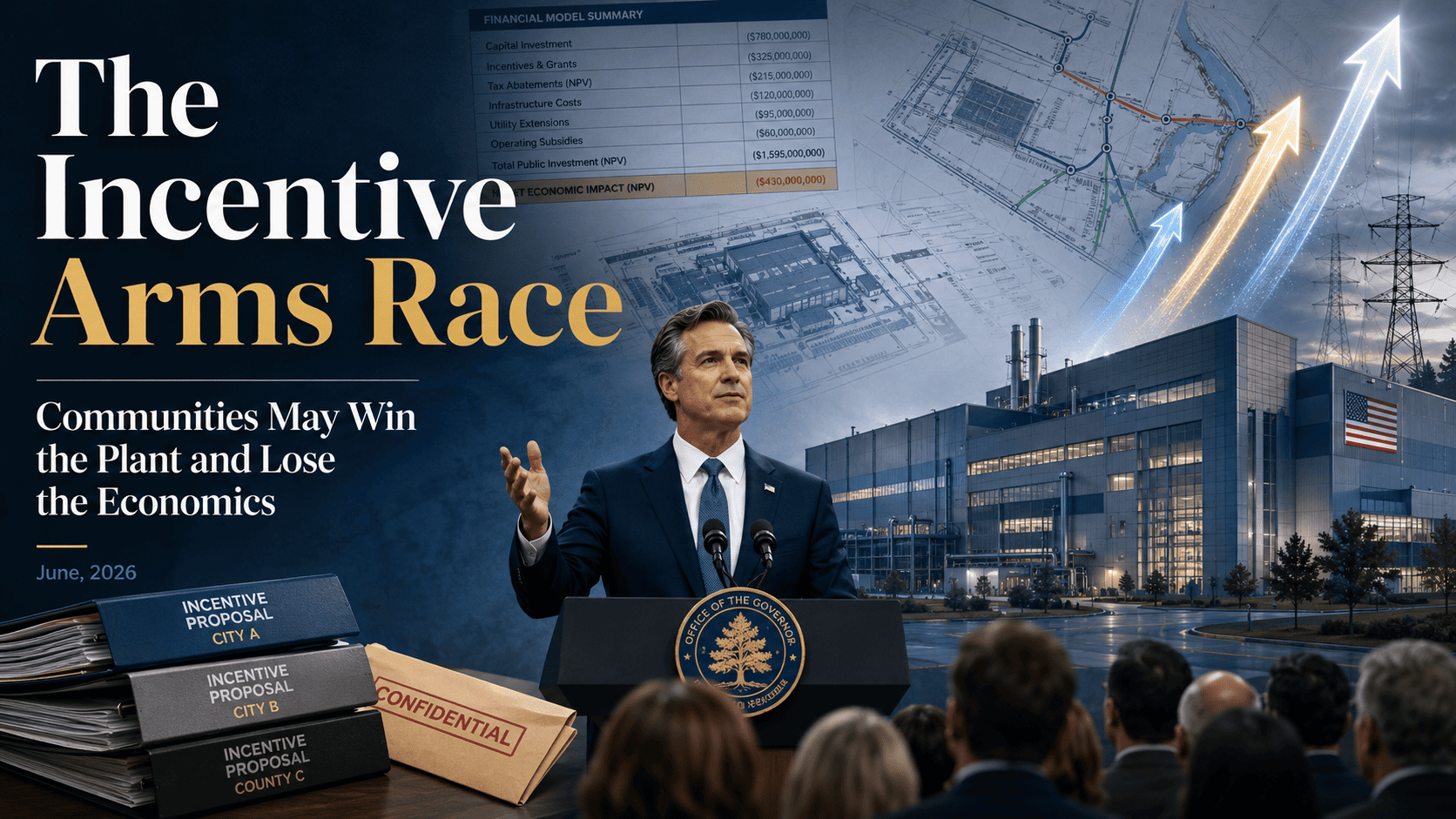
Policy doesn’t build factories; it removes friction and de-risks choices. The toolkit spans tax credits, grants, loan guarantees, expedited permitting, workforce funding, and domestic content preferences.
The sequencing is the secret. Pre-approval for credits, early utility coordination, and synchronized training cohorts ensure incentives land when capex peaks and hiring ramps. Miss the timing, and value evaporates.
Workforce funds are as powerful as capex offsets. Paid apprenticeships, instructor grants, and equipment donations to colleges create a pipeline tailored to your lines and MES, not generic curricula.
Domestic content and procurement preferences create durable demand. When public buyers specify domestic thresholds, suppliers can justify investment and scale with confidence.
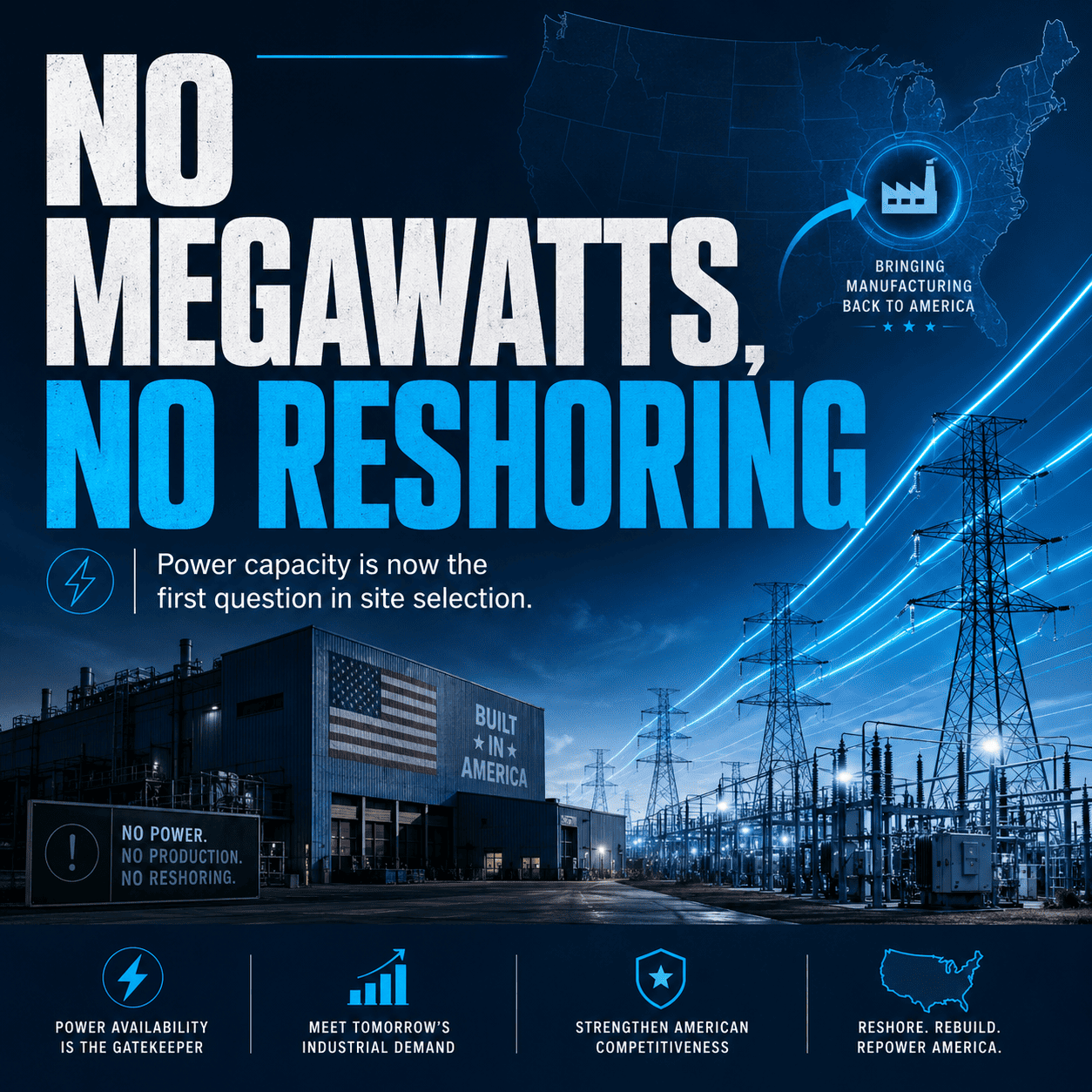
Infrastructure is policy in concrete form. Roads, rail spurs, power redundancy, and broadband shorten time to revenue. Regions that bundle sites with ready utilities win sites—and keep them.
Compliance clarity reduces risk. Harmonized standards and transparent enforcement let companies design once and scale. Predictable rulebooks beat generous but opaque programs every time.
State and local competition is healthy. Specialization emerges—battery belts, chip corridors, med-device hubs. Companies choose ecosystems, not just incentives, because execution lives in the network.
Black Book Insights briefings often end with this guidance: treat policy as an input to your P&L, with an owner, milestones, and dashboards—then run your plan like you won nothing extra.