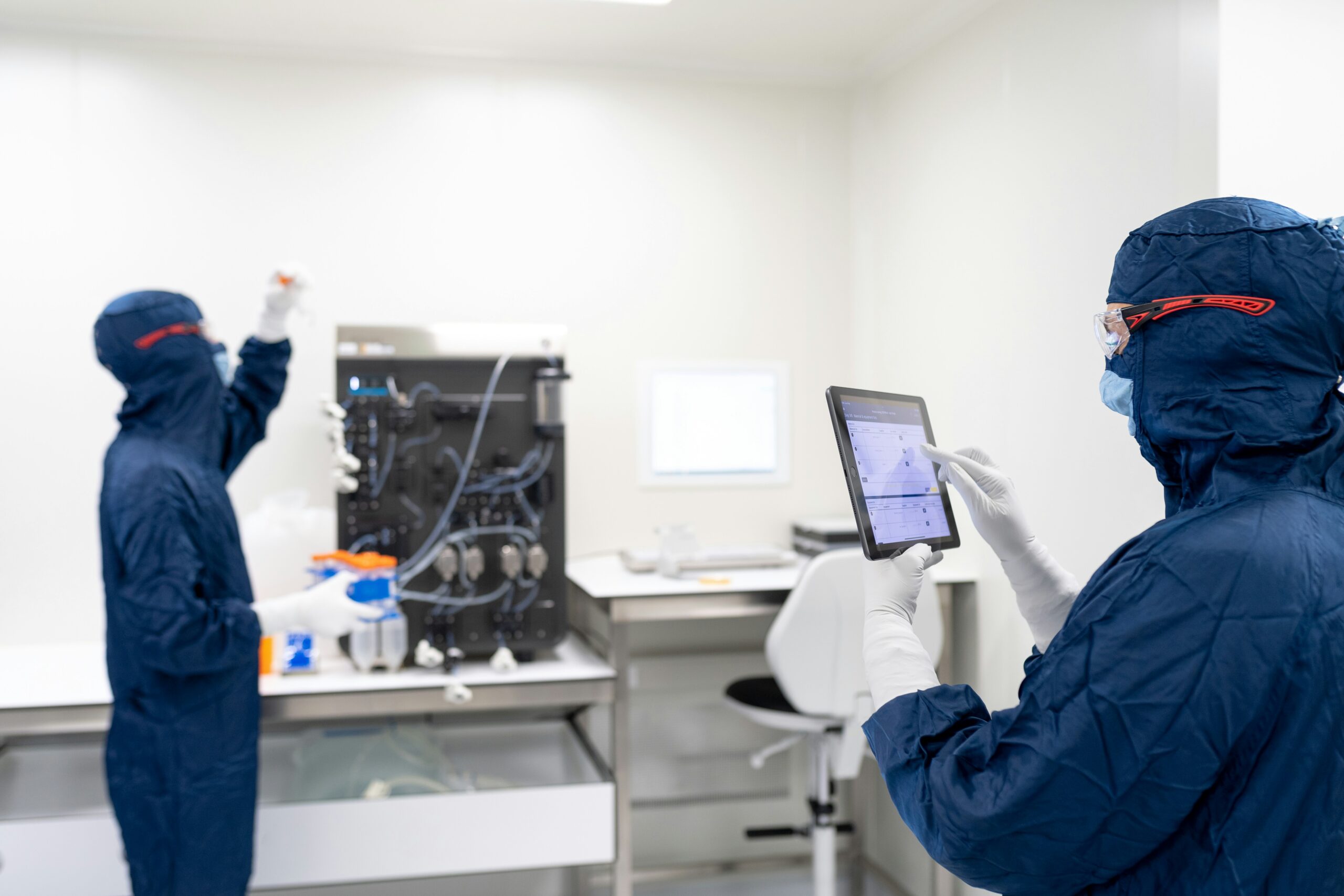
Biotech timelines hinge on fast iteration and clean compliance. Reshoring process development and GMP manufacturing keeps development scientists, validation leads, and quality in the same daily rhythm. When upstream and downstream teams can meet at the bioreactor, deviations get resolved before they metastasize into program delays.
Process knowledge sticks when it isn’t traveling. Cell-line behavior, shear sensitivities, and resin performance are notoriously tacit until you’ve seen them fail. Co-locating PD suites with pilot trains turns “tribal knowledge” into documented parameter ranges that survive tech transfer.
Single-use systems favor proximity. Bag integrity, line sterility, and leachables/extractables all improve with shorter storage times and fewer handoffs. Local suppliers and in-house gamma scheduling reduce the surprises that derail campaign starts.
Regulatory engagement becomes practical. Pre-approval inspections slot into plant cadence; remediation cycles close faster because evidence is down the hall, not across an ocean. Quality by design reads less like a philosophy and more like a calendar.
Talent pipelines deepen around real equipment. Community colleges and universities train technicians and associates on the exact skids, PAT tools, and chromatography systems they’ll run. Apprenticeships shorten the time from classroom to batch record ownership.
Supply resilience rises with domestic buffers. Critical consumables—filters, resins, single-use assemblies—flow from regional vendors with verified chains of custody. The cold chain for sensitive intermediates becomes governable, not hopeful.
Tech transfer is no longer a cliff. Development, scale-up, and commercial run as a continuum because the equipment families rhyme. Deviations are caught in pilot lots, not in commercial batches with expensive consequences.
Reshored biotech capacity doesn’t just make more product—it makes better evidence, faster changes, and sturdier compliance. That combination shortens time to patients and strengthens the business case for innovation.