
Insights & Analysis
Expert perspectives on reshoring, manufacturing strategy, and supply chain transformation
Industry
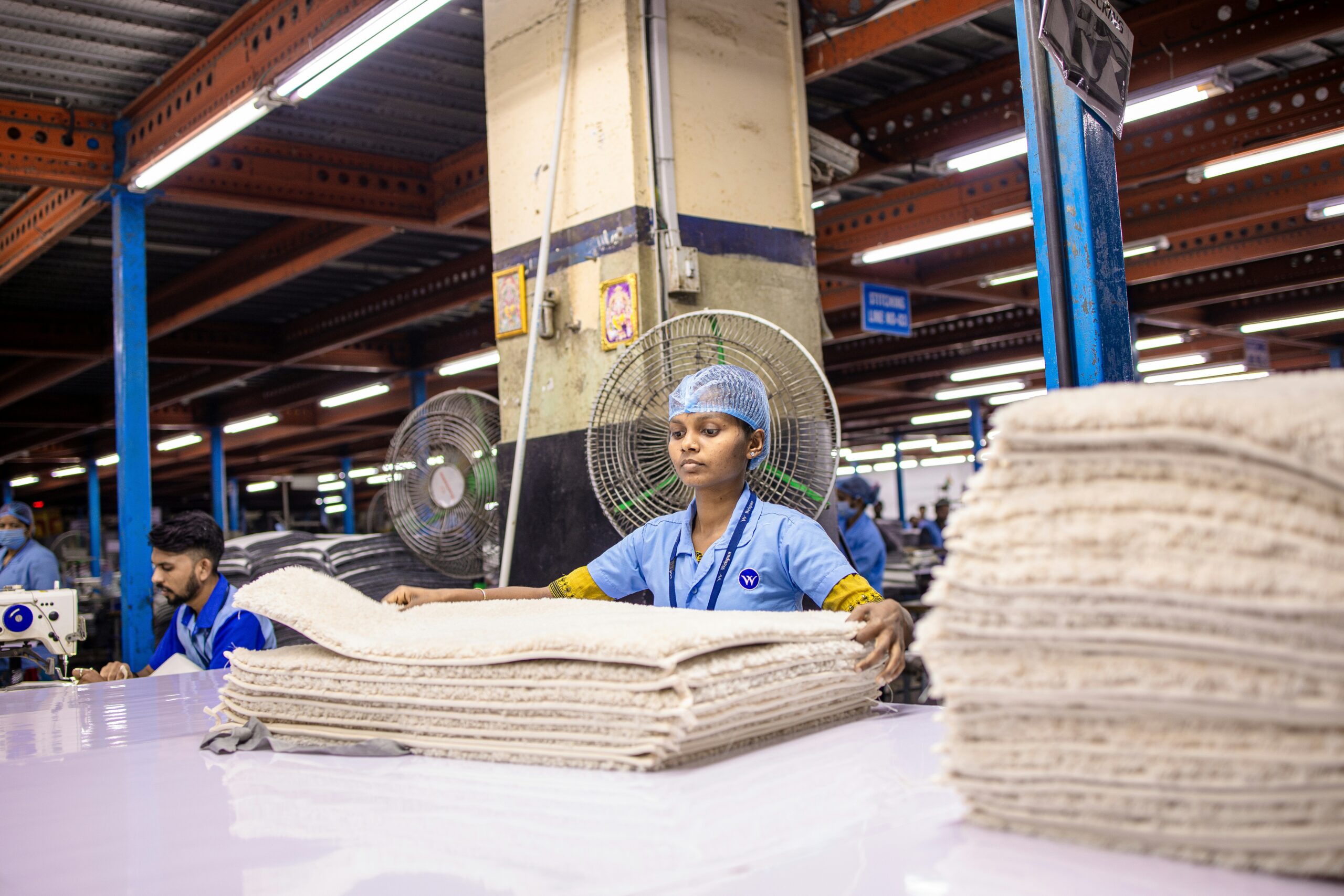
Textiles reward speed and control. Reshoring fibers, yarns, knitting/weaving, dye/finish, and cut-and-sew compresses months into weeks while lifting traceability from marketing claim to operational fact. Fashion cycles stop guessing and start sensing. Material innovation accelerates in clusters. Mills and brands trial performance fibers, recycled content, and bio-based blends with rapid feedback from finishing lines and wear tests. Recipes settle faster because lab data meets plant reality in days. Dyeing and finishing quality improves with nearby water and energy stewardship. Closed-loop systems, heat recovery, and precise chemistry dosing reduce impact while stabilizing shade and hand. Sustainability and consistency rise together. Cutting rooms become digital hubs. Automated nesting, marker optimization, and fabric inspection reduce waste and set the tempo for downstream cells. Patterns change at software speed, enabling micro-collections without penalty. Cell sewing elevates craft with standard work. Operators run multi-operation stations; quality checks are in-line; rework loops are measured and short. Fit issues get solved in a week, not piled into returns. Customization becomes a margin lever. Monograms, made-to-measure tweaks, and localized colorways are feasible at lead times customers will accept. Personalization stops being a boutique luxury and becomes a scalable offer. Reverse logistics feeds circularity. Repairs and refurb happen near origin, extending life and recovering value. Offcuts find second uses; take-back programs become operational, not aspirational. Reshored textiles aren’t just “made here.” They’re designed, dyed, and delivered in a tight loop that aligns creativity with cash flow—and turns sustainability into a measurable outcome.
January, 2026

Industry
Biotech timelines hinge on fast iteration and clean compliance. Reshoring process development and GMP manufacturing keeps development scientists, validation leads, and quality in the same daily rhythm. When upstream and downstream teams can meet at the bioreactor, deviations get resolved before they metastasize into program delays. Process knowledge sticks when it isn’t traveling. Cell-line behavior, shear sensitivities, and resin performance are notoriously tacit until you’ve seen them fail. Co-locating PD suites with pilot trains turns “tribal knowledge” into documented parameter ranges that survive tech transfer. Single-use systems favor proximity. Bag integrity, line sterility, and leachables/extractables all improve with shorter storage times and fewer handoffs. Local suppliers and in-house gamma scheduling reduce the surprises that derail campaign starts. Regulatory engagement becomes practical. Pre-approval inspections slot into plant cadence; remediation cycles close faster because evidence is down the hall, not across an ocean. Quality by design reads less like a philosophy and more like a calendar. Talent pipelines deepen around real equipment. Community colleges and universities train technicians and associates on the exact skids, PAT tools, and chromatography systems they’ll run. Apprenticeships shorten the time from classroom to batch record ownership. Supply resilience rises with domestic buffers. Critical consumables—filters, resins, single-use assemblies—flow from regional vendors with verified chains of custody. The cold chain for sensitive intermediates becomes governable, not hopeful. Tech transfer is no longer a cliff. Development, scale-up, and commercial run as a continuum because the equipment families rhyme. Deviations are caught in pilot lots, not in commercial batches with expensive consequences. Reshored biotech capacity doesn’t just make more product—it makes better evidence, faster changes, and sturdier compliance. That combination shortens time to patients and strengthens the business case for innovation.
January, 2026

Industry, Technology
High-purity work—semiconductors, optics, biotech—demands two kinds of cleanliness: particulate control and information control. Reshoring puts both under tighter management, turning compliance into cadence. Facility design gets easier to govern at home. ISO class zoning, airflow validation, and gowning discipline improve when auditors, engineers, and operators share language and schedules. Deviations are investigated the day they occur. Utilities are process variables. UPW resistivity, CDA dryness, nitrogen purity, and HVAC stability define yield. Short chains to service partners mean faster root cause and shorter mean-time-to-stability when something drifts. Metrology is the compass. Onshore clusters of labs and calibrated references keep measurements trustworthy. When a Cpk wobbles, you trust the gauge—and you fix the process, not the math. Data integrity is CFR and culture. 21 CFR Part 11, ALCOA+, and validated systems stick when IT/OT teams can test, train, and remediate together. Audit trails stop being paperwork and start being process history. Supply of high-spec consumables steadies. Filters, resins, photoresist, and single-use bioprocess assemblies sourced domestically reduce contamination risk from unknown handlers and long storage. Cross-functional war rooms work when teams can meet today. Quality, facilities, process, and vendors swarm anomalies. Parameter windows tighten, and CAPAs close in weeks, not quarters. Black Book Insights site visits tie proximity to closure speed again and again. Talent is specialized and sticky. Cleanroom technicians, validation engineers, and maintenance techs trained on the exact line chemistry and equipment become the moat. Apprenticeships tuned to high-purity norms deepen the bench. Clean rooms and clean data are not separate disciplines—they’re one system. Reshoring gives you the physical and digital controls to run that system on purpose.
January, 2026

Execution, Strategy
The Northeast combines legacy precision with modern regulation fluency. Medical devices, biotech equipment, semicon tooling, and aerospace components benefit from a region fluent in GMP, clean-room discipline, and tight tolerances. University partnerships are a superpower. Engineering schools and teaching hospitals supply talent and research that translate directly into manufacturable innovation. Co-ops feed pilot lines with contributors who already speak the plant’s language. Supply chains are tight and technical. Specialty metals, micro-machining, metrology, and automation services sit within a few hours. When an edge case emerges, experts are in the building the next day. Regulatory literacy speeds approvals. Documentation quality, risk files, and validation protocols reflect seasoned quality cultures. Inspectors see discipline; cycle times shorten. Real estate emphasizes vertical integration. Multi-story facilities with clean utilities and segregated flows enable compact, compliant operations in dense metros. The footprint is smaller, the capability higher. Logistics favor high-value goods. Air cargo access and dense road networks move critical shipments fast. Outbound service levels stay high even when the rest of the world wobbles. Workforce is experienced. Journeyman machinists, toolmakers, and quality engineers bring depth that anchors young teams. Apprenticeship programs and union partnerships keep the pipeline healthy. Black Book Insights regional scans show the Northeast excelling where the product is complex, the paperwork heavier, and the tolerance for variance near zero. In that world, know-how wins.
January, 2026

Execution, Technology
The West Coast is where bleeding-edge meets build-ready. Hardware startups, med-device innovators, and climate tech firms find that co-locating R&D with pilot and early production cuts risk and accelerates learning. Proximity to design talent is unmatched. Industrial designers, firmware engineers, and reliability leads iterate with operators in the same building. Prototypes become pilots; pilots become first customer shipments without crossing oceans. Supplier ecosystems are specialized. Precision optics, MEMS foundries, biocompatible materials, and advanced contract manufacturers cluster near tech hubs. That density reduces the “unknown unknowns” that kill ramps. Regulatory navigation benefits from local expertise. FDA-savvy labs, EMC houses, and notified bodies are familiar with West Coast innovators and can align schedules to sprint-style development without quality compromise. Yes, costs are higher—but so is velocity. When weeks of transit and months of translation collapse into a day’s work, the P&L feels it. Early revenue and faster iteration often outvalue lower unit costs far away. Sustainability fits the ethos. Shorter supply lines and verifiable clean energy sources support credible climate claims for climate tech products. Investors reward operations that match mission. Talent retention improves with meaningful work. Teams see their designs built, tested, and used by customers quickly. That visibility beats remote manufacturing’s latency for keeping builders engaged. Black Book Insights venture portfolios report the same pattern: West Coast production for the first 18–24 months de-risks scale, even if the long-term footprint diversifies. Learn fast here; expand smart later.
January, 2026

Strategy
The Sun Belt pairs pro-build policy with a deepening industrial base. Fast permitting, right-to-work environments, and aggressive incentives are part of the story; the rest is logistics, land, and lifestyle. Automotive and battery corridors are the anchors. Tier stacks form quickly around OEMs, bringing stampings, injection molding, pack assembly, and recycling into dense clusters. Suppliers locate to be in the daily drumbeat of launches and ramp-ups. Labor supply scales via migration and training. Growing populations and robust technical college systems feed plants with entry-level and mid-skill talent. Pay-for-skill ladders and apprenticeship models keep advancement clear and attrition low. Ports and intermodal hubs matter. Gulf and Atlantic gateways, paired with inland rail nodes, reduce inbound variability and keep outbound promises reliable. The port-to-plant path is short and governed. Energy is abundant and increasingly clean. Solar growth and industrial rates make electrification and peak-shaving practical. Combined with onsite storage, plants achieve both resilience and cost control. Quality of life closes the loop. Affordable housing and short commutes improve attendance and retention. Communities invest in schools and amenities as tax bases expand, reinforcing the talent flywheel. Supplier services follow the money. Integrators, maintenance providers, and metrology labs expand footprints to support the corridor, shrinking downtime and speeding new-line commissioning. Black Book Insights siting reviews frequently show the Sun Belt winning tie-breakers on time-to-utility and talent ramp rate. In a game of months, that’s decisive.
January, 2026

Strategy
The Midwest isn’t just a memory of industry; it’s a blueprint for modern manufacturing. Rail spines, interstate webs, available land, and pragmatic permitting create a friction-low environment for factories that need to scale without drama. Capability density is real. Tooling shops, automation integrators, heat-treaters, PCB assemblers, and test labs cluster within drive time of new plants. A spindle issue or fixture redesign is a phone call and a short haul, not a six-week wait. Workforce stands out. Generations of craft meet new-school mechatronics. Community colleges and union training centers produce technicians who can program cobots at 9 and swap a servo at 10. Retention follows because careers and communities align. Logistics just works. Proximity to major customer bases and inland ports turns plan-make-move into a predictable cadence. Freight volatility blunts when miles drop and modes diversify. Energy reliability and cost matter. Access to diverse generation and industrial rate programs stabilizes OPEX. Growing renewables portfolios enable credible decarbonization without sacrificing uptime. Real estate supports flexibility. Large footprints allow modular cells, future mezzanines, and expansion without re-tearing the building. The physical plant can evolve with the product portfolio. Civic alignment is a competitive weapon. City, state, and utility partners act like one team—seating training cohorts, adding substations, and smoothing permits. The ramp’s critical path shortens because the ecosystem pulls in the same direction. Black Book Insights regional benchmarking consistently shows the Midwest converting announcements into output faster than coastal peers. Execution speed is the renaissance.
January, 2026

Industry, Supply Chain
Food and beverage supply chains are perishable by definition. Reshoring processing and packaging closer to farms and consumers compresses time, which protects quality and reduces waste. Freshness stops depending on ocean schedules and starts depending on smart scheduling. Cold chain risk drops dramatically with shorter routes. Fewer touches mean fewer temperature excursions and less shrink. Plants can schedule harvest-to-pack windows that match peak flavor and nutrition instead of trucking convenience. Packaging formats get smarter. Onshore operations can swing between retail, foodservice, club, and e-commerce sizes weekly, not seasonally. That responsiveness reduces markdowns and aligns supply with promos and weather-driven demand spikes. Traceability becomes transparent. Lot genealogy and temperature logs bind to each pallet. When a recall is required, you pull precisely what’s affected instead of carpet-bombing entire product families. Brand damage and destruction costs shrink. Sustainability improves because miles and waste fall. Local processing allows by-products to re-enter regional feed and energy systems. Spent grain, peels, and pulp become inputs for farms and digesters, closing loops that export models can’t. Innovation speeds up. Co-locating R&D kitchens with processing lines allows rapid trials of clean-label formulations, new textures, and functional ingredients. Consumer tests cycle in days; winners scale before the trend cools. Retailers lean in when fill rates improve. Predictable lead times and fresher product earn better placement and longer contracts. E-commerce partners reward consistent availability with algorithmic love. Black Book Insights grocer panels point to the same threshold: when delivery windows shrink below a week and freshness claims are verifiable, repeat purchase jumps. Reshoring feeds loyalty, literally.
January, 2026
Industry
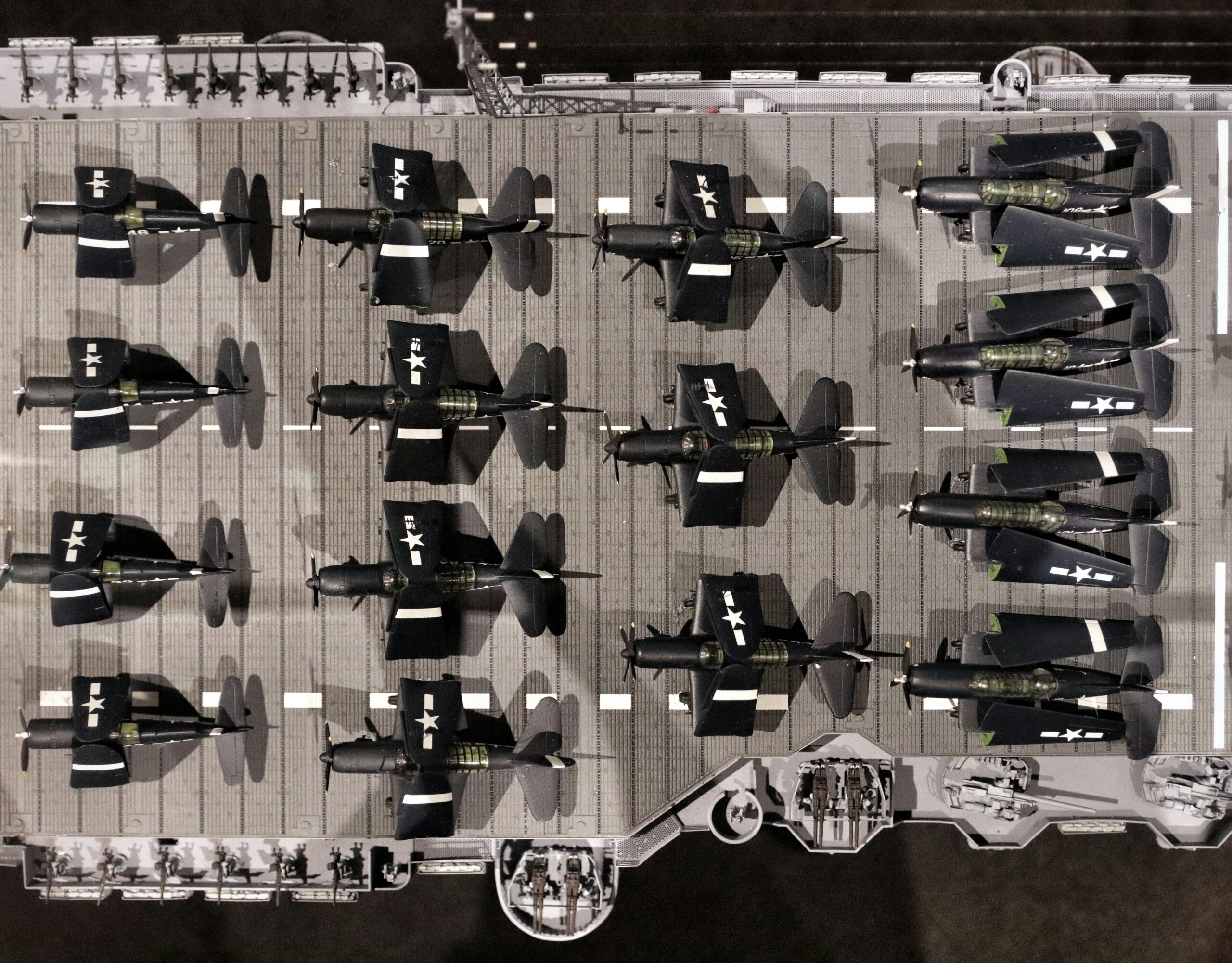
Defense programs operate on trust and time. Reshoring brings castings, forgings, energetic materials, RF components, optics, and advanced electronics under tighter control, reducing exposure to fragile, far-flung nodes that can stall readiness. Dual-use capacity is strategic. Facilities that can swing between commercial and defense parts—e.g., precision machining for industrial turbines and airframes—create surge potential without mothballing assets. That flexibility is only practical when the network is near and known. Compliance becomes a speed enabler. ITAR/CMMC controls, classified build rooms, and secure signing ceremonies are faster to implement and audit domestically. When the plant, the prime, and the program office share jurisdiction, corrective actions stick quickly. Quality assurance gets real-time. SPC, torque signatures, functional test telemetry, and serialized genealogy bind to each unit. When a field signal appears, teams isolate a narrow window and execute surgical containment without pausing the whole line. Supplier development is a force multiplier. Tier-2 special processes—coatings, heat treat, energetics—often represent the bottleneck. Co-investment and shared audits raise the floor across the region, turning single points of failure into resilient webs. Maintenance, repair, and overhaul benefit equally. Proximity shortens turnaround for depot-level repairs and keeps platforms in service. Reverse logistics inside U.S. borders lets programs recover value from cores and components that would otherwise languish. Workforce is readiness. Veterans transition into roles that leverage discipline and systems thinking; apprenticeships formalize skills for critical trades. The bench deepens, and institutional knowledge persists through rotations and retirements. Black Book Insights conversations with primes and tier suppliers surface a simple truth: deterrence rides on logistics. Reshoring replaces wishful supply with governable capacity—and capacity is strategy.
January, 2026

Industry
Aerospace is allergic to variation. Microns matter, documentation is destiny, and reliability is non-negotiable. Reshoring aerospace production places the most precision-sensitive workflows—machining, composites layup, NDI, and test—under the same roof as engineering and quality. That proximity shrinks the discovery-to-correction cycle from quarters to shifts. Toolpath optimization improves when machinists and design engineers iterate in person. A chatter signature heard at the spindle turns into a CAD tweak the same afternoon. With domestic heat-treat and coating partners nearby, qualification loops happen fast enough to protect schedules without sacrificing rigor. Composites benefit from locality, too. Freezer inventory, out-time control, and cure cycles are only as good as the handoffs between stores, layup, and the autoclave. Short chains reduce handling risks and enable quicker destructive and non-destructive validations when anything drifts from plan. Documentation quality rises with co-location. First article inspections, FAIR packages, and PPAP-like evidence sets stay clean because the traveler, the gauge, and the operator live in the same timezone. When an auditor asks “show me,” the team answers with data, not email archaeology. Supply chain density is a quiet advantage. Regional clusters of metrology labs, jig/fixture builders, and repair/overhaul shops mean spares and rework don’t wait for ocean freight. Line availability improves because obscure parts and special processes are days away, not months. Cyber-physical security tightens at home. Firmware for actuators, flight-critical software loads, and test stands sit behind one legal regime and a smaller attack surface. That discipline protects both IP and safety. Workforce readiness scales via apprenticeships and A&P pipelines. Multi-skill technicians—CMM-fluent, layup-proficient, and safety-obsessed—earn career progression that anchors talent in place. Plants become magnets for veterans with maintenance and avionics backgrounds. Black Book Insights interviews with aerospace leaders repeatedly highlight the same equation: fewer handoffs plus faster validation equals schedule confidence. In a domain where penalty minutes are measured in millions, reshoring writes a safer, faster playbook.
January, 2026

Industry, Supply Chain
Near-zero inventory isn’t a theory; it’s a layout. Reshored apparel flows from digital patterning to automated cutting to cell sewing, finishing, and pack-out—often under one roof. Inventory shifts from finished goods to raw fabric and blank shells. Demand pulses drive production. Small, frequent drops replace seasonal bets. Merchandisers read sell-through daily, not monthly, and trigger replenishment while the trend is alive. Markdown risk drops; freshness rises. Fit fixes happen in days. Pattern makers walk to the cell, adjust templates, and test on real bodies. Returns from fit mismatch fall, and customer reviews stop complaining about size drift. Customization becomes margin. Monogramming, colorways, and local collabs are practical at a few days’ lead time. Premium pricing feels fair when customers get exactly what they want, quickly. Waste shrinks with precision cutting and short runs. Deadstock becomes rare, and remnants feed accessories or sampling programs. Sustainability becomes math, not messaging. Wholesale works too—if you share data. Retail partners forward POS signals; factories smooth production across accounts without drowning in safety stock. Everyone wins when the pipeline is short. Labor upskills. Operators shift from single-operation roles to cell ownership: setup, stitch, inspect, and problem-solve. Pay follows skill; retention follows respect. Black Book Insights brand interviews show higher full-price sell-through and repeat rate when lead times drop below two weeks. Speed is style’s silent superpower.
January, 2026

Industry, Technology
EV demand is colliding with supply risk. Reshoring cell, pack, and upstream materials capacity turns a brittle chain into a domestic stack—cathode, anode, electrolyte, formation, and pack assembly aligned within trucking distance. Chemistry choice is strategy. LFP improves safety and cost; NMC pushes energy density; emerging silicon blends raise fast-charge performance. Locating these decisions near OEMs and grid customers tightens iteration loops and qualification cycles. Upstream matters. Domestic refining of lithium, nickel, and manganese reduces geopolitical exposure and shortens cash cycles tied up in inventory. Recycling closes the loop and keeps critical minerals in-country. Formation and testing define reliability. Proximity allows faster feedback on cycle life anomalies, enabling process tweaks without months lost to shipping and scheduling. Packs become more consistent, safer, and cheaper to warrant. Grid integration is a hidden win. Stationary storage shares a supply base with EVs. Reshored capacity can flex between mobility and grid needs, stabilizing utilization during market swings. Workforce pipelines are forming fast. Mechatronics techs, chemical operators, and reliability engineers train on the exact processes they’ll run. Apprenticeships and micro-credentials build skills at the speed of plant ramps. Sustainability claims gain teeth. Shorter miles and verifiable sourcing make lifecycle assessments credible. Customers and regulators reward specificity over slogans. Black Book Insights workshops with OEMs and utilities find the same conclusion: battery reshoring isn’t just industrial policy—it’s the keystone for transportation, grid resilience, and tech leadership.
January, 2026