
Insights & Analysis
Expert perspectives on reshoring, manufacturing strategy, and supply chain transformation

Supply Chain
Visibility is not a dashboard; it’s a physics problem. Signals degrade over distance—more handlers, more handoffs, more systems. Reshoring reduces hops, increasing data fidelity and making exceptions truly exceptional. Short chains produce cleaner EDI/API connections. Inventory positions, ASN accuracy, and quality data arrive with fewer delays and fewer mismatches. Planners shift from chasing ghosts to shaping demand. Supplier collaboration improves when you can visit on a Tuesday. Joint S&OP, forecast alignment, and late-stage differentiation become normal. Capacity goes where it’s actually needed, not where last quarter’s spreadsheet guessed. Exception management turns proactive. Real-time yard, dock, and carrier telemetry lets teams resequence work, re-slot labor, and protect critical orders. Expedites drop because “early warnings” become daily practice. Traceability tightens. Lot genealogy and process parameters are easier to link across fewer nodes. When customers ask for proof, you provide it in minutes, not days. Analytics compounds. With fewer gaps, machine learning models for demand sensing, lead-time prediction, and parameter optimization actually converge. Better predictions fuel better plans, which fuel fewer surprises. Black Book Insights client work often reveals that “visibility projects” fail when the network is too complex to measure. The fix is architectural—shorten the chain—then technological. Tools work when the path is sane. Proximity turns visibility from aspiration into operating system.
July, 2025

Strategy
Startups thrive on iteration speed. Domestic manufacturing turns hardware and services into software-like cycles: build, test, learn, ship—weekly, not quarterly. That cadence is a competitive weapon against slower, offshore-dependent rivals. Founders gain line-of-sight to reality. Seeing the first article at 9 a.m. and revising the CAD by noon creates momentum that no asynchronous supply chain can match. Investors feel it too: risk goes down when the prototype-to-pilot path is visible. Minimum order quantities stop dictating strategy. Small-batch, high-mix lines with quick changeovers enable calibrated bets: micro-launches, segmented offers, and rapid pruning. Cash burn improves because inventory stops bloating. Design for manufacturability becomes a habit, not a project. Engineers and operators debug together; material choices and tolerances evolve with data, not debate. Yield climbs early, and warranty risk shrinks before it gets expensive. Quality systems scale naturally. Traceability, in-line testing, and clean documentation are easier to implement when the plant is in the loop from day one. Regulatory paths in medtech, mobility, or energy become achievable for small teams. Supply networks form around the startup. Local toolers, integrators, and test labs partner on growth, often bending terms to win long-term relationships. The ecosystem invests in the company’s trajectory. Black Book Insights conversations with early-stage leaders suggest an inflection: “domestic-first” is shifting from a branding choice to an operating model. When speed and control drive valuation, onshore wins. Startups that build at home don’t just make product; they manufacture momentum.
July, 2025

Sustainability
Sustainability thrives on proximity. Every ocean crossing avoided is carbon avoided, but the bigger advantage is measurability. Short chains produce cleaner data, stronger audits, and credible progress toward reduction targets. Operations teams can finally connect emissions to decisions. When procurement swaps a material, or logistics shifts a mode, the impact shows up in weeks with near-real-time meter data. ESG stops being a backward-looking report and becomes a steering wheel. Factories get efficient because they can. Heat recovery, variable-speed drives, leak detection, and building automation lower intensity per unit. With shorter loops, quality improves, scrap falls, and embedded carbon drops in tandem. Reverse logistics becomes economically rational. Repair, refurbish, and remanufacture all benefit from domestic transport and predictable cycle times. Circularity is no longer a side project—it is a P&L contributor. Suppliers improve faster when they are part of a local cohort. Shared standards, mutual audits, and co-investments in cleaner processes diffuse rapidly through a region. One partner’s energy upgrade becomes everyone’s blueprint. Marketing finds a message that holds up under scrutiny: fewer miles, better controls, and transparent data. Customers respond when sustainability claims are specific, consistent, and verified by operations metrics. Black Book Insights client work frequently surfaces a pattern: the companies that talk least about green and most about flow, quality, and waste elimination end up with the strongest emissions trajectories. Green follows good operations. Reshoring doesn’t guarantee sustainability—but it makes the path shorter, the math clearer, and the wins compounding.
July, 2025

Strategy, Sustainability
Industrial capacity is national capability. When critical components, medicines, and technologies can be produced at home, the nation’s response options multiply and its vulnerabilities shrink. Reshoring is strategy as infrastructure. Dual-use technologies blur lines between commercial and defense. Domestic fabs, advanced packaging, battery plants, and precision machining support everything from EVs to avionics to grid stability. Capacity in one sector fortifies others. Supply assurance underwrites deterrence. If allies trust U.S. supply of key systems and spares, coalitions hold stronger under stress. That credibility depends on factories that can surge, not just plan. Cyber-physical defense improves when critical plants operate under harmonized standards and clear jurisdiction. Coordinated drills, shared threat intel, and rapid patching cycles are feasible when the network is near and known. Workforce is part of readiness. Skilled technicians, engineers, and operators form a living reserve that can pivot to priority programs when needed. Apprenticeships and veterans’ pathways make that bench deeper. Logistics inside borders is easier to secure. Monitoring, redundancy, and controlled chokepoints reduce exposure to interdiction or disruption. Reverse logistics for repair and overhaul strengthens endurance over long campaigns. Innovation accelerates in clusters. Proximity among universities, startups, and anchor manufacturers turns research into prototypes and prototypes into deployable systems faster. Speed is a strategic asset. Reshoring is not isolation; it’s interdependence on stronger terms. A resilient U.S. industrial base supports allies, deters adversaries, and keeps citizens supplied when it matters most.
July, 2025

Strategy
Reshoring isn’t a single plant opening; it’s an ecosystem reboot. Tooling shops, heat-treaters, PCB houses, automation integrators, and test labs grow in clusters around anchor investments. The result is capability density that compounds over time. Standardization accelerates. Shared fixtures, common components, and regional supplier catalogs lower switching costs and speed engineering. When everyone speaks the same manufacturing dialect, collaboration scales. Innovation migrates from slide decks to shop floors. Proximity lets R&D trial new materials, processes, and designs in days. Lessons travel down the street, not across the ocean, increasing the cadence of breakthroughs. Education aligns to reality. High schools add mechatronics; colleges expand manufacturing engineering; bootcamps teach PLCs and data literacy. Graduates step into roles with confidence because the classroom mirrors the cell. Capital markets notice clusters. Lenders and investors price risk lower when they see robust supply webs, proven workforce pipelines, and public infrastructure upgrades. Cheaper capital feeds more growth. Regional identities sharpen. One corridor becomes synonymous with precision machining; another with medical devices; another with energy storage. Specialization raises the ceiling for wages, exports, and resilience. Government plays a catalytic role—funding training, improving permitting, and building connective infrastructure. Private sector leads execution; public sector removes friction and aligns incentives. Over time, the industrial base becomes not just bigger but smarter—more integrated, data-rich, and adaptable. That’s the competitive moat reshoring builds.
July, 2025

Strategy
Risk hides in distance. The longer your chain, the more nodes can fail—storms, strikes, sanctions, cyber incidents, or outages at a single port. Reshoring doesn’t eliminate risk, but it concentrates it into domains you can actually govern. Volatility tax shows up in inventory. Long lead times force bigger buffers, which tie up cash and increase obsolescence. Shorter loops let you buy inventory just-in-time and knowledge just-in-time—two hedges that compound. Policy risk is real. Export controls, tariffs, and regulatory shocks can rearrange unit economics overnight. Domestic production won’t shield you from all change, but it narrows the range of outcomes and reduces the number of jurisdictions you must master. Cyber-physical threats escalate with complexity. Fewer external connections and clearer accountability reduce the attack surface. When your MES, OT, and data residency sit under one legal regime, you can design security end to end. Supplier fragility is easier to detect nearby. Financial health checks, site visits, and quick-response assistance keep key tier-2 and tier-3 partners upright. It’s cheaper to help a local vendor stabilize than to qualify a new overseas one. Logistics shocks become manageable instead of existential. A closed highway can be detoured; a closed ocean lane can’t. Domestic networks allow creative reroutes that keep promises intact. Reputation risk falls with control. You can stand behind a product when you control how it’s made. That confidence shows in customer conversations and reduces the likelihood of public failures.
July, 2025

Execution
Reliability lives where the product is born. Co-locating engineering with production compresses the find–fix cycle: a defect caught on the line is addressed before it metastasizes into warranty claims. Proximity turns quality into speed. Standards enforcement tightens with fewer handoffs. Work instructions, torque specs, and test parameters change once—not five times across vendors. Revision control sticks, and the shop floor actually runs the latest rev. Measurement moves upstream. Instead of final inspection as a gate, plants implement in-line sensing, SPC triggers, and automated stop conditions. Teams solve drift at its source, reducing the tail of hidden defects that escape. Training quality climbs when you can coach in the moment. A leader can walk to a cell, watch a cycle, and run a five-minute kata that saves hours of future rework. Remote coaching rarely catches nuance; in-person coaching builds muscle memory. Supplier quality is easier to manage when suppliers are a drive away. Joint PPAPs, shared gage R&Rs, and layered audits become routine, not heroic. The goal shifts from catching nonconformances to preventing them through co-design. Design for manufacturability improves when feedback is daily. Engineers hear the clunk of a misaligned fixture or see the contortion required to reach a fastener. Those lived details produce cleaner BOMs and higher first-pass yields. Field data loops into the plant without translation loss. Service and support teams bring failed units and customer stories to line reviews, anchoring corrective actions in reality rather than assumptions. Quality, in the end, is a system property. Reshoring strengthens every node in that system—people, process, equipment, data—so reliability stops being aspirational and becomes routine.
July, 2025
Strategy
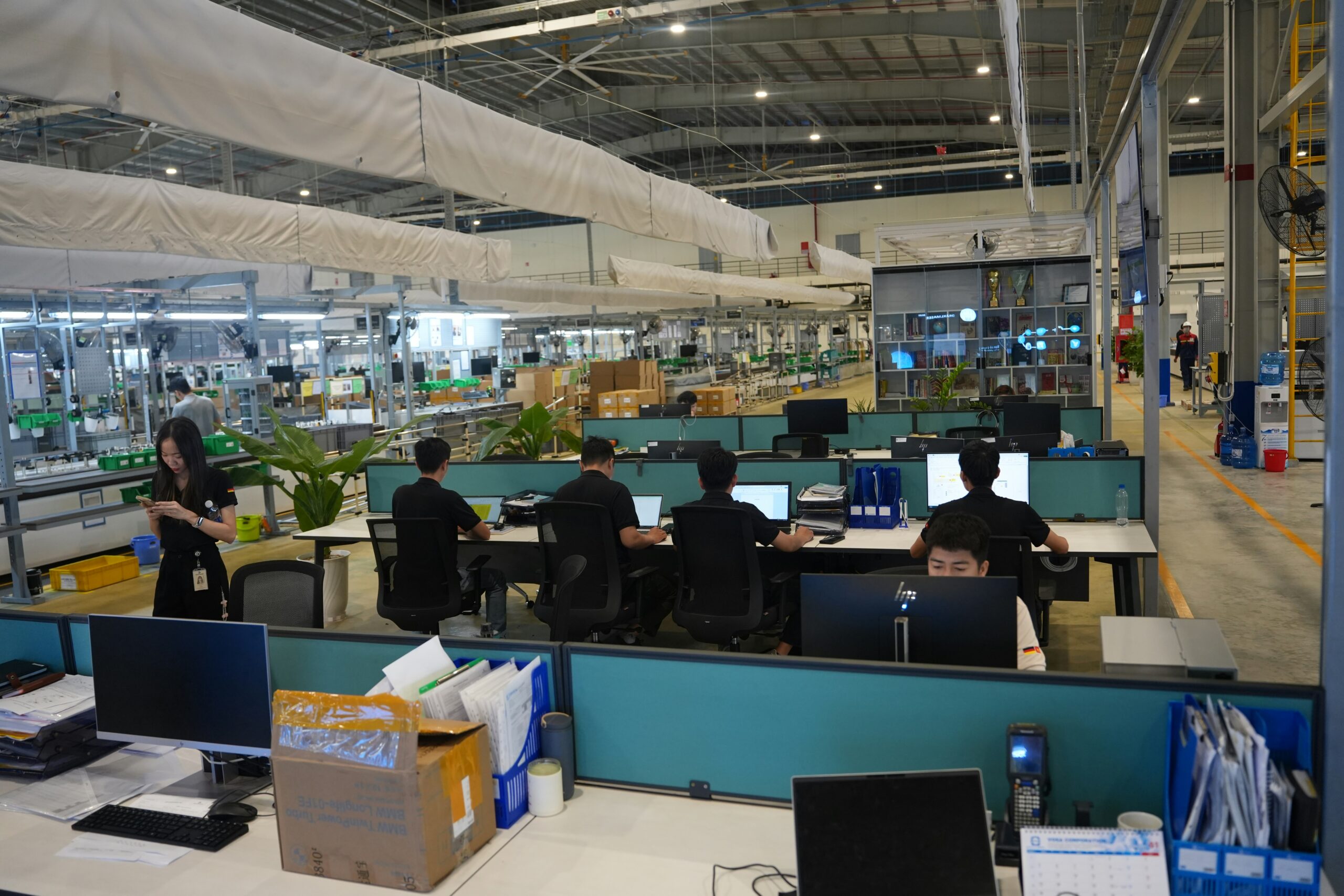
Shutting the lights is not a strategy. Treat offshore sites as assets to harvest thoughtfully—supplier partnerships, tooling, tacit knowledge, and market proximity can still serve you if managed with intention. Begin with a triage map. Which products stay for regional customers? Which processes can be licensed, sold, or transferred? Which vendors become export partners to your U.S. lines? Segment before you sever. Tooling and fixtures are IP in steel. Inventory, audit, and repatriate what you need; negotiate controlled use for what remains. Document change histories so your domestic line starts with the latest rev, not a museum piece. People carry the process. Identify key operators, techs, and engineers whose tacit knowledge keeps yield high. Short-term exchanges, capture of video SOPs, and shadowing can move know-how home without drama. Customers in former offshore regions still matter. Backfill with regional partners or contract manufacturers to maintain service levels. A reshoring win in the U.S. shouldn’t become a service loss abroad. Contracts need gentle landings. Plan exit timing to avoid penalties and reputational blowback. Where possible, convert vendors into suppliers to your U.S. operation—continuity beats clean breaks. Finance must manage the unwind. Dispose of assets with tax efficiency, hedge currency exposures on receivables and payables, and revalue inventory as it shifts modes and jurisdictions. The aftershocks are P&L events; schedule them. Finally, communicate. Transparency with employees, vendors, and customers preserves trust. “We’re moving closer to you” in the U.S. pairs with “We’re keeping you supplied” abroad. The world is watching how you change.
June, 2025

Strategy
Reshoring can be a lifeline for rural communities. A single modern plant creates direct jobs, anchors supplier growth, and justifies investments in training, broadband, and infrastructure that benefit everyone. Workforce pipelines thrive where schools, employers, and local leaders align. Dual-credit programs, apprenticeships, and paid internships keep young talent in town. Families stay when opportunity is visible and local. Quality of life is a competitive advantage. Short commutes, affordable homes, and strong ties make retention higher than coastal hubs. Plants with transparent progression ladders become the employer of choice. Supplier ecosystems emerge quickly. Tooling, maintenance, logistics, and specialty services follow anchor investments. Small businesses grow around the plant, diversifying the local economy and tax base. Infrastructure upgrades compound. Utility partners extend capacity; counties improve roads and permitting; colleges add labs and instructors. Each project de-risks the next, creating a flywheel of readiness. Community identity strengthens. Pride in “made here” products turns into tourism, branding, and civic engagement. Local stories become national case studies of how manufacturing rebuilds places. Black Book Insights community surveys consistently capture the same sentiment: when residents can point to a factory and say “that’s where my neighbor works and my kid might too,” confidence returns. Confidence attracts more bets.
June, 2025
Execution
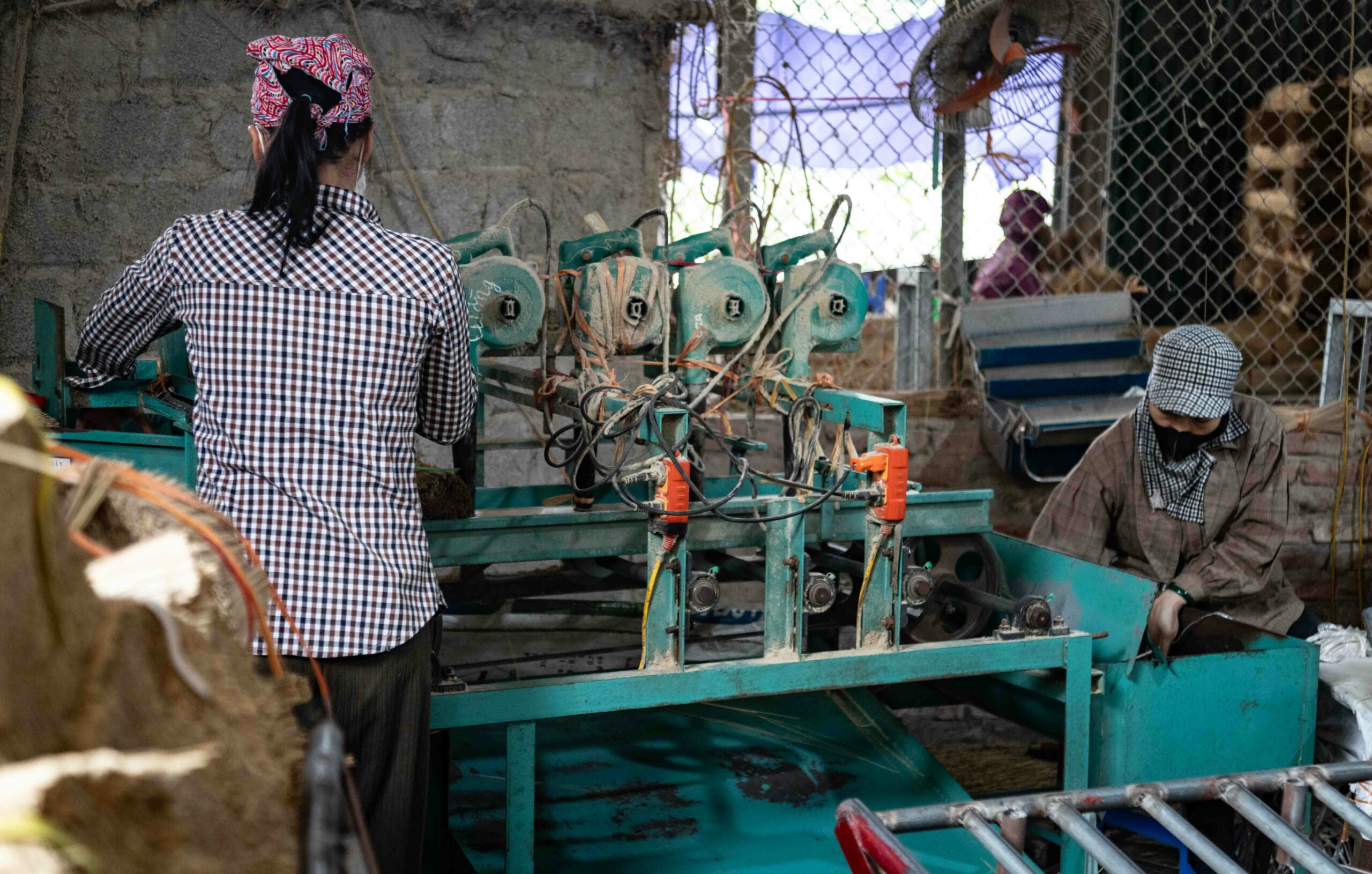
You don’t need a megasite to reshore—you need a blueprint. Start by picking a pilot product with moderate volume and frequent pain: late deliveries, returns, or high expedite spend. Pain funds progress. Map the process honestly. Document changeovers, scrap, rework, and labor content. Measure, don’t guess. A whiteboard with cycle times and downtime codes will reveal the first automation and training targets. Stand up a modular cell. Quick-change fixtures, digital work instructions, and basic in-line checks beat flashy robots on day one. Stability precedes speed; speed funds the next step. Secure two nearby suppliers. One for a critical machined part, one for a special process. Co-develop PPAPs, share gages, and run short loops to build trust. Your domestic network is an extension of your line. Instrument the work. Capture FPY, OEE, and a few meaningful downtime codes from the start. Data makes wins visible and arguments short. Black Book Insights SMEs who “start with the scoreboard” scale smoother. Use incentives tactically. Training grants, small equipment credits, and utility rebates add up. Assign one person to chase paperwork so engineers can chase yield. Communicate with customers. Offer “made here, ships fast” options and prove it with consistent promise dates. Early adopters become case studies that finance the next SKU. Reshoring is a staircase. Take one solid step, lock it in, and climb. Momentum, not perfection, builds a domestic engine.
June, 2025

Execution
Start with a TCO truth audit. Price is not cost; include freight, duty, inventory, expediting, scrap, warranty, compliance, and the option value of speed. Let the math surface where reshoring really pays. Pick the right pilot. Choose a high-margin, high-visibility SKU with moderate volume and annoying variability. Win there, document the standard work, and scale deliberately. Design for flow. Build modular cells, quick-change fixtures, and recipe-driven processes. Plan for SKUs to share capacity instead of owning lines. Flexibility is the hedge against forecast error. Automate to stabilize, not to impress. Target repetitive, error-prone tasks first; layer vision and torque control before exotic robotics. Chase uptime and yield, then speed. Secure your suppliers. Map tier-2 and tier-3 dependencies, then co-develop domestic options. Shared PPAPs, gage R&Rs, and inventory buffers near the plant beat paper promises. Stand up the digital spine. MES, QMS, and maintenance systems must talk. Capture OEE, downtime codes, and genealogy from day one. Data is your improvement engine. Invest in people early. Publish skill ladders, fund micro-credentials, and pay for certifications. Make cell ownership visible and rewarded. Culture is a capacity multiplier. Sequence the move. Run parallel production, qualify alternates, and keep safety stock through the first stable quarter. De-risk handoffs with layered verification, not hope. Use incentives tactically. Align approvals to purchase orders and construction draws. Track substantiation like you track inventory—barcode it, audit it, own it. Close the loop. Weekly exec Gemba, monthly KPI reviews, and quarterly supplier summits keep momentum. Celebrate yield and safety wins as loudly as output.
June, 2025

Workforce
Wages are only one side of the ledger. Productivity, uptime, yield, and changeover speed determine unit economics. Reshoring focuses on the full equation: higher wages paired with higher output per hour and lower variability. Multi-skilled teams are the force multiplier. Operators who can set up, troubleshoot, and run quality checks reduce staffing needs and downtime. Training ladders and pay-for-skill make the model durable. Automation amplifies people. Cobots, vision, and MES don’t replace workers; they remove drudgery and error. The remaining work is higher value—problem-solving, improvement, and customer-critical decisions. Attendance and retention matter. Shorter commutes, predictable schedules, and visible progression improve reliability. A stable team beats a cheap one that churns. Regional ecosystems move the needle. When integrators, maintenance services, and training partners are nearby, plants recover faster from shocks and ramp new lines with less overtime. Compensation strategy can be creative. Gainsharing tied to OEE, skill premiums, and education benefits build loyalty while aligning incentives with performance. The check follows the chart. Black Book Insights employer panels highlight a blunt truth: the plants with the best supervisors win the labor market. Coaching, respect, and clear expectations turn wage discussions into career discussions. U.S. competitiveness emerges when higher pay buys higher skill, lower variance, and faster response. That’s the labor story reshoring writes.
June, 2025